Why Slow Travel Isn’t Just a Trend

Some destinations are designed for rushing. These aren’t. Discover places that naturally slow you down, helping you relax, reset, and enjoy travel again.

Table of Contents

Share this Article:
Person sitting quietly on a dock overlooking a calm mountain lake, representing slow and intentional travel

Ready for Your Next Getaway?

Search live resort availability, compare destinations, and start planning in minutes.

Picture of Plymouth Rock Travel Partners

Plymouth Rock Travel Partners

A world beyond the ordinary. We turn your travel dreams into unforgettable adventures.

You know that post-trip feeling when you unpack, scroll your photos, and realize you barely remember the places you “saw”? Fast travel can look great on a calendar, three cities in seven days, early tours, late dinners, constant check-ins, but it often ends with the same punchline: you come home tired.

Slow travel flips that script in one simple sentence: fewer places, longer stays, deeper days.

This isn’t a social media phase. It’s a mindset shift that’s sticking because it matches what people want right now: less stress, better value, and experiences that feel real. It also gets a lot easier when your lodging is built for longer stays, like condo-style resorts with kitchens, laundry, and space to breathe.

Below are the three reasons slow travel keeps growing in 2026: how people feel on the trip, how budgets actually work, and how the experience changes when you stop rushing.

The Undeniable Benefits of Slow Travel

Slow travel explained, what it is and what it is not

Slow travel is practical. It’s not about “being a certain type of traveler,” it’s about changing the math of your trip so your days feel like days, not logistics.

At its core, slow travel means you pick a home base (or two), stay longer, and build your days around the place instead of around a checklist. The idea overlaps with “slow tourism,” which many destination planners describe as a response to crowded, high-impact travel, with a stronger focus on place and community.

What slow travel looks like in real life:

  • You wake up without an alarm.
  • You walk to a market, then back to your place to drop things off.
  • You spend two hours at a beach you didn’t need to “book.”
  • You eat at the same cafe twice because it’s good.
  • You do one planned thing, then let the day happen.

What rushed travel often looks like:

  • Pack, check out, drive or fly, check in.
  • Stand in lines, eat wherever is fastest.
  • Repeat, while feeling like you’re behind schedule.

A good slow travel day doesn’t look empty. It looks human.

The simple rule, fewer stops, longer stays, more real days

If you want a framework you’ll actually remember, use this:

Choose 1 to 2 home bases, stay 7 to 30-plus nights, do less per day.

That might sound like “only for people with lots of time,” but pace matters more than length. Slow travel works on a long weekend too if you stop trying to squeeze a whole region into 48 hours.

Try this for a 3-day trip:

  • Pick one neighborhood or one small town.
  • Plan one anchor activity per day (museum, hike, food tour).
  • Leave the rest open for wandering, naps, and “we stumbled into this” moments.

It’s the same idea, just scaled down.

Slow travel is not doing nothing, it is traveling with intention

The biggest fear people have is boredom. But slow travel isn’t about sitting in a room all day. It’s about trading friction for depth.

Instead of spending your energy on lines, transfers, parking, and re-packing, you spend it on things that feel good:

Small routines: morning bakery run, sunset walk, a gym class where nobody speaks your language (yet).
Local learning: cooking classes, pottery workshops, winery tours, farm visits.
Easy day trips: trains and buses out and back, no suitcase involved.
Repeat favorites: returning to the same cafe, the same swim spot, the same market stall.

If fast travel is a highlight reel, slow travel is the full episode.

Slow Travel: Redefine Tourism

Why slow travel is not a trend, it fits how people want to travel in 2026

Trends come and go because they’re built on novelty. Slow travel is growing because it solves problems that keep getting louder: crowding, cost stress, and travel burnout.

Travel media has been tracking this shift into 2026, with a stronger pull toward calmer trips, off-peak timing, and trips that feel restorative instead of exhausting.

And the “why” is simple: people don’t want their vacation to feel like work.

People are tired of coming home tired

Travel burnout isn’t mysterious. It’s what happens when every hour is scheduled and every day starts with a new set of decisions.

Recent travel sentiment points the same direction: rest is winning. In the latest 2026-focused reporting pulled into current travel trend summaries, 57% of people say rest is the top reason they travel (ahead of adventure or nightlife). When rest is the goal, constant movement stops making sense.

Slow travel cuts the stress in obvious ways:

  • Fewer packing days
  • Fewer check-ins and check-outs
  • Less time stuck in transit
  • Familiar routines that calm your brain

A quick before-and-after snapshot makes it clear:

Fast travel: 4 hotels in 8 nights, two flights, a rental car swap, daily route planning.
Slow travel: 1 place for 8 nights, one grocery run, one transit pass, and plans that fit your energy.

When you stay put, you don’t “lose time.” You get it back.

Crowds and peak season prices push travelers to slow down

Overcrowding has moved from “annoying” to “trip-changing.” Current travel trend reporting also shows a meaningful share of travelers adjust plans to avoid crowd stress, including shifting to shoulder seasons and quieter areas.

That’s where slow travel quietly shines. If you stay longer, you can:

  • Travel in spring or fall when prices often soften
  • Explore early mornings and weekdays when day-trippers aren’t there
  • Spend time in smaller neighborhoods instead of only the famous center

It also fits the rising interest in tourism that’s more considerate of local communities. Booking.com’s 2025 research highlights growing awareness of travel’s impact on residents and destinations. Slow travel naturally aligns with that mindset because it spreads your time and spending in a more grounded way.
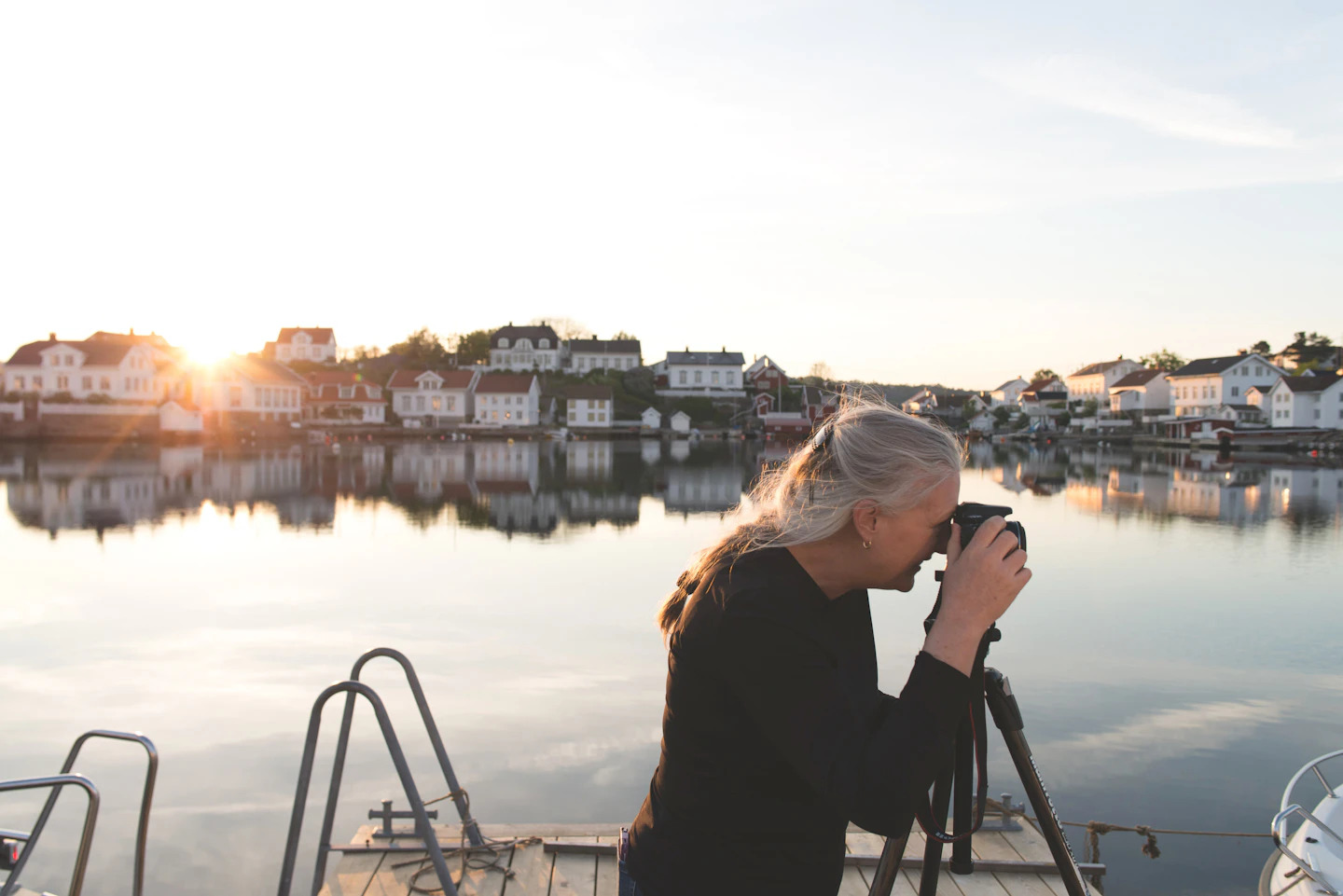
5 Benefits of Slow Travel

The real benefits of slow travel, better trips, better budgets, better memories

Slow travel isn’t just “nice in theory.” It changes what your trip costs, how it feels, and what you remember when you’re home.

Think of it like cooking. A quick microwave meal fills you up, but you don’t talk about it later. A slow meal has texture, smell, stories, and leftovers you’re glad to have.

Here’s what changes when you stay longer.

You spend less on transit and more on the trip itself

Every move costs money and energy: trains, taxis, rental cars, baggage fees, parking, one-night hotel rates, and the “we’re too tired to find a good place, let’s just order delivery” dinners.

With slow travel, you usually have:

  • Fewer flights or long drives
  • Fewer paid transfer days
  • Fewer one-night stays (often the least flexible, highest hassle nights)
  • More chances to cook simple meals and pack snacks

You don’t have to turn into a budget traveler to feel the difference. Even cooking breakfast at “home” for a week can reduce the daily spend that sneaks up in tourist zones.

If you also care about travel footprint, slower itineraries can reduce emissions by cutting down on frequent transport legs. CarbonClick breaks down how fewer flights and more efficient routing can lower climate impact.

You get the experiences that rushed travel misses

Some experiences only show up when you stop sprinting.

In a longer stay, you learn the shortcuts. You stop checking maps every five minutes. You start noticing small things: when the bakery sells out, which park bench catches the sunset, which museum is quiet on weekday afternoons.

A simple planning tip that works almost anywhere:

Plan one main thing per day, then leave space.

That space is where the best parts hide: a neighborhood festival you didn’t know existed, a shop owner who tells you what to order, a beach that locals use because it’s not tagged in every guide.

Slow travel turns “seeing places” into “knowing places.”

Slow Travel and Why You Should Consider It​

Why condo-style resorts make slow travel easier and more comfortable

Slow travel is a mindset, but lodging can either support it or fight it.

A standard hotel room works for a night or two. For a week or a month, the same setup can feel tight and expensive. Longer stays need a different kind of comfort, not luxury, just the basics that make life easier.

Condo-style resorts fit slow travel because they’re designed for living, not just sleeping.

The longer you stay, the more comfort matters, kitchens, laundry, and space

When your trip is longer, the little things matter more than the lobby.

Condo-style stays often include what slow travelers end up craving:

A kitchen: Make breakfast, pack lunches, keep drinks cold, eat in when you want a quiet night.
Laundry: Re-wear favorites, travel with fewer bags, reset mid-trip without hunting for a laundromat.
Separate space: A living area for downtime, separate bedrooms for families, room to work if you’re remote.
Routine-friendly living: Grocery runs, morning coffee “at home,” and a place to spread out.

This helps almost every type of traveler: families who need snacks on hand, couples who want calm evenings, remote workers mixing work and vacation, and multigenerational groups who need personal space.

It also matches what’s happening in stay patterns. Recent 2026 travel reporting shows short-term rentals average longer stays than hotels (about 6.2 nights vs. 5.5), and many guests blend work and vacation. That’s slow travel in practice, even when people don’t call it that.

How Plymouth Rock Travel supports extended stays, 40 to 60% off retail

Slow travel can get expensive if you pay peak nightly hotel rates, especially if your trip runs two weeks or more. That’s where pricing structure matters as much as destination choice.

Plymouth Rock Travel supports extended stays with condo-style resort pricing at 40 to 60% off retail, which can make longer trips realistic without treating every night like a splurge. It also pairs well with the practical savings slow travelers tend to value, like reducing the daily costs that come with traditional hotels (for example, eating out for every meal because you don’t have a kitchen).

If you’re comparing travel models, this overview of how travel memberships offer choice and lower risk than traditional timeshares can help you understand why more travelers want flexibility for longer stays.

And if you’ve ever looked at ownership-style vacation costs and wondered why they feel unpredictable, it’s worth seeing how annual fees can add up over time, as outlined in this breakdown of 2025 timeshare maintenance fees.

The bottom line is straightforward: if you want to travel slower, it helps to stay somewhere built for living.

Conclusion

Slow travel isn’t a trend because it solves real problems: stress, crowds, and the cost of constant movement. It also creates better days, the kind where you remember the smell of the market and the feel of the street at night, not just the inside of a taxi.

On your next trip, try one small change: pick one destination, stay longer, and plan less. If you want that slower pace to feel comfortable and affordable, consider a condo-style resort setup that supports real-life routines, especially when extended-stay pricing can stretch your budget without shrinking your experience.

Travel Insights & Inspiration

Expert advice, destination guides, and travel tips to help you plan unforgettable journeys.

The Top Bucket List Countries Everyone Is Traveling To Right Now Some trips never go out of style. Others suddenly feel like the place everyone smartly booked before the rush. In 2026, travelers are mixing both, chasing iconic dream trips and fast-rising favorites with real booking momentum behind them. This curated look at the bucket list countries drawing the most attention right now is shaped by current travel interest, seasonal timing, and what travelers are actually prioritizing this year. If you're searching for the best countries to visit 2026 or comparing the top travel destinations worldwide, this list gives you the short answer and the useful details. And for travelers who want those big dream trips to feel more doable, PRTP can help stretch the budget with exclusive membership for 30-60% hotel savings. Japan, Italy, and Portugal still lead the dream-trip list Some countries keep winning because they make a trip feel full from the first day. You get food, scenery, culture, and plenty of wow moments without turning every hour into a planning puzzle. That's why Japan, Italy, and Portugal still sit near the top of so many dream lists. Current 2026 trend roundups, including TIME's World's Greatest Places 2026, point to the same thing travelers already feel: classic destinations still dominate when they offer fresh experiences, strong value, or great timing. Japan feels fresh again for culture, food, and once-in-a-lifetime contrast Japan is still one of the hottest picks of 2026, and March demand shows why. Tokyo feels electric, Kyoto feels timeless, and Osaka keeps pulling in food lovers. Add cherry blossoms, sleek bullet trains, quiet temples, and onsen stays, and the whole trip feels like two worlds at once. Top experiences: sakura season in Kyoto and Tokyo, sushi counters, ramen nights in Osaka, temple visits, and train rides that turn transit into part of the fun. Best time to visit: spring and fall. Best for: first-time Asia travelers, food lovers, and anyone who wants a polished trip with strong infrastructure. Insider tip: book popular hotels and seasonal experiences early, because the best spots go fast. Italy keeps delivering romance, history, and easy wow-factor Italy remains one of the top travel destinations worldwide because it rarely asks travelers to choose just one kind of trip. Rome brings ancient drama, Florence brings art, Venice brings atmosphere, and places like the Amalfi Coast, Tuscany, and Sicily slow the pace in the best way. Top experiences: pasta-making classes, vineyard days, museum stops, coastal drives, and evenings in piazzas that feel made for lingering. Best time to visit: April to June, then September to October. Best for: couples, honeymooners, art lovers, and multigenerational groups. Insider tip: shoulder season is the sweet spot, with lower prices, softer crowds, and weather that still feels ideal. Portugal is the laid-back European favorite people cannot stop recommending Portugal keeps rising because it offers the Europe many travelers want right now: stylish but relaxed, scenic but manageable, and often better value than bigger-name neighbors. Lisbon and Porto are easy to love, the Algarve delivers big coastal beauty, and wine country adds a slower inland rhythm. Top experiences: tram rides in Lisbon, port tastings in Porto, cliff-backed beaches in the Algarve, and long meals that don't feel rushed. Best time to visit: spring and early fall, though summer is great for beach-focused trips. Best for: food lovers, beach travelers, and travelers who want Europe at a calmer pace. Insider tip: pair a city stay with a coastal stay, because Portugal shines most when you get both sides of it. For a broader look at where global editors see 2026 heading, this 2026 travel destinations roundup lines up closely with Portugal's rise. The hottest bucket list countries right now blend adventure with big scenery Travelers aren't only chasing museums and famous skylines. More people want movement, nature, and the kind of scenery that sticks in your head long after the flight home. That's where Thailand, South Africa, and Croatia have real pull right now. Thailand keeps winning with beaches, street food, and great value Thailand has that rare mix of bucket list appeal and budget flexibility. Bangkok brings energy, Chiang Mai brings temples and markets, and Phuket, Krabi, and the islands deliver the beach version of a screensaver. It feels special without demanding a luxury-only budget. Top experiences: island hopping, long-tail boat rides, night markets, Thai cooking classes, and street food crawls that become the highlight of the trip. Best time to visit: the cool, dry season, usually November through early April. Best for: first-time Southeast Asia travelers, friend groups, and travelers who want culture plus downtime. Insider tip: mix one busy hotspot with a quieter island or boutique stay for a better balance. South Africa stands out for safari, coast, and city life in one trip South Africa offers the kind of trip that feels oversized in the best way. Cape Town alone could fill a week, yet the Winelands, the Garden Route, and safari stays turn one vacation into several distinct experiences. That range is driving more attention from travelers who want impact. Top experiences: Table Mountain views, wine tasting, coastal drives, and game drives that put wildlife front and center. Best time to visit: shoulder months for Cape Town and the coast, dry winter months for classic safari viewing. Best for: adventure travelers, wildlife lovers, and couples planning a high-impact trip. Insider tip: don't split city and safari too far apart, combine both for the fullest picture of the country. Croatia is the European escape travelers want before it gets even busier Croatia is one of the fast-growing names in current travel interest, and it's easy to see why. Dubrovnik and Split grab the headlines, but island sailing, beach clubs, Plitvice Lakes, and charming inland towns give the trip more range than many first-time visitors expect. Top experiences: old-town walks, boat days, island hopping, and national park stops with unreal water color. Best time to visit: late spring through early fall. Best for: budget-aware Europe travelers, groups, and anyone who wants scenery with some nightlife. Insider tip: don't skip inland Croatia, because some of the best value and most relaxed stays are away from the coast. A recent look at 2026 travel trends reflects the same shift toward scenery-rich trips that feel active and memorable. Rising bucket list countries are pulling travelers beyond the usual hotspots Some of the most exciting 2026 picks aren't brand-new. They're just getting a louder share of attention now. These countries reward curiosity, feel more personal, and still offer that satisfying sense that you got there before the crowds grew even larger. Turkey offers history, coast, and unforgettable landscapes in one country Turkey feels almost unfairly varied. Istanbul brings big-city energy and layered history, Cappadocia looks like another planet, and Pamukkale adds one more visual surprise. That's a lot of range for one itinerary, which is exactly why more travelers are circling it. Top experiences: mosque visits, Bosphorus views, hot air balloons, bazaars, and thermal terrace stops. Best time to visit: spring and fall. Best for: culture lovers, photographers, and travelers who want variety without changing countries. Insider tip: Pamukkale takes effort to reach, but it earns that effort once you see it in person.** Vietnam is the smart pick for travelers chasing value and authenticity Vietnam is rising fast because it offers depth without punishing the budget. Hanoi, Ho Chi Minh City, Ha Long Bay, and Hoi An each bring a different mood, and mountain or beach add-ons make the trip easy to shape around your style. Top experiences: street food tours, bay cruises, lantern-lit old towns, coffee culture, and scenic train or road stretches. Best time to visit: spring is broadly friendly, while fall also works well for many routes. Best for: food lovers, curious travelers, and people who already know they like a trip with texture. Insider tip: now is a great time to go, because demand is rising and the country still feels like strong value.** For more on what travel editors are calling the new global dream list, see this global bucket list for 2026. Jordan turns a lifelong dream into a trip that feels personal and powerful Jordan isn't just about Petra, though Petra alone would be enough for many travelers. Wadi Rum adds silence and scale, while the Dead Sea gives the trip a softer landing. The country works especially well for travelers who want a shorter trip that still feels big. Top experiences: walking through Petra at first light, desert camps in Wadi Rum, and floating in the Dead Sea. Best time to visit: spring and fall. Best for: history lovers, couples, and travelers who want a compact but unforgettable itinerary. Insider tip: stay overnight near Petra or in Wadi Rum, because the place changes when day-trippers leave.** How to choose the right bucket list country for your travel style and budget A dream trip shouldn't feel like a guessing game. The easiest way to narrow the list is to match the destination to the trip you want most. Here's a quick comparison to make the shortlist easier: Travel style Best matches Culture and food Japan, Italy, Vietnam, Turkey Beaches and slow days Portugal, Thailand, Croatia Wildlife and outdoor adventure South Africa, Jordan, Croatia Best value for the experience Portugal, Thailand, Vietnam, Croatia First big international trip Japan, Italy, Portugal, Thailand That table makes one thing clear: the "best" country depends on the memory you're chasing. Pick based on what kind of trip you want to remember most If you want romance, Italy and Portugal are easy winners. For family travel, Italy and Japan offer structure and broad appeal. If adventure is the point, South Africa and Jordan stand out. Food-first travelers should look hard at Japan, Vietnam, and Portugal. For a first big long-haul trip, Japan and Thailand strike a strong balance between excitement and ease. The right bucket list trip is the one that fits your style, not the one trending loudest online. Book ahead if you want the best mix of value, timing, and availability Popular bucket list countries fill early in peak seasons, especially spring in Japan, summer along the Mediterranean, and dry-season beach windows in Thailand. So, early planning matters. Flexible dates, shoulder season travel, and smarter hotel choices often save more than last-minute hunting. That's also where PRTP can help. If you want to stretch your trip budget across more nights or better hotels, it's worth exploring how to plan a full year of travel with one membership. Wholesale hotel rates can make a big dream trip feel much closer. The best countries to visit in 2026 range from famous favorites to rising stars, and that's good news for travelers. There's no single right answer, only the right fit for your budget, travel style, and timing. Pick one country, start early, and give yourself something real to look forward to. If you want your bucket list trip to go further, PRTP's Explorer's Delight membership benefits can help turn wholesale hotel savings into a better trip, or even your next one too.

International Travel, Travel Tips & Planning, Travel Trends

7 Apr 2026

The Top Bucket List Countries Everyone Is Traveling To Right Now

Historic European square at sunset with fewer crowds representing alternative travel destinations

Travel Trends

5 Apr 2026

The Rise of “Second Destination Travel”

Tropical island boat tour with clear turquoise water and palm trees representing affordable travel destinations

Budget Travel, Travel Tips

3 Apr 2026

What $1,000 Gets You in 5 Different Destinations (2026 Travel Comparison)

Tropical beach with mountains and clear water in spring travel destination

Monthly Guides, Travel Tips & Planning

1 Apr 2026

Where to Travel in April (Best Weather, Fewer Crowds & Better Prices)

Tropical beach with mountains and turquoise water in April travel destination scene

Monthly Guides

30 Mar 2026

Where to Travel in April (Before Prices Jump for Summer)

Tropical beach cove with calm blue water, palm trees, and families enjoying the shoreline

Best for Families, Travel Tips & Planning

26 Mar 2026

The Best U.S. Destinations for Multigenerational Family Trips

Travel Insights & Inspiration

Expert advice, destination guides, and travel tips to help you plan unforgettable journeys.

New Customers: Book Your First Vacation With Us & GET 50% OFF!