First-Time International Travel? Where to Go in 2025 (and What Not to Do)

Taking your first big adventure abroad? These first international trip tips for 2025 break down where beginners should travel, how to plan simply, what not to do, and how PRTP concierge support can make your first passport trip stress-free and memorable.

Table of Contents

Share this Article:
Scenic European riverside city — representing easy first international travel destinations for 2025.

Ready for Your Next Getaway?

Search live resort availability, compare destinations, and start planning in minutes.

Picture of Plymouth Rock Travel Partners

Plymouth Rock Travel Partners

A world beyond the ordinary. We turn your travel dreams into unforgettable adventures.

The “passport first-timer” trend is everywhere on TikTok. People are opening their first passports, filming airport fits, and sharing honest nerves. If that is you in 2025, you are not alone. More Americans are taking their first trip abroad this year, thanks to social buzz, easier planning tools, and a push to get passports. “If you just got your passport, these first international trip tips will help you choose the right destination and avoid common mistakes.

This guide gives first international trip tips, beginner-friendly destinations, and easy planning moves. You will learn where to travel with a new passport, how to set a simple plan, and the mistakes to skip.

Plymouth Rock Travel Partners can help with personal concierge planning and beginner-friendly resort or city options. Think of it as friendly backup, not a sales pitch.

Here is the roadmap: where to go in 2025, how to plan a calm first week, what not to do, and how concierge help can make it easier.

Where to Travel With a New Passport in 2025

Travel trends point toward easy cities with good transit, clear signs, and welcoming locals. First-time travelers also love places with strong English use and simple day trips. Recent lists of popular picks for 2025 back that up, with Europe and Asia leading for culture, transit, and safety. See a broad snapshot in this roundup of popular travel destinations in 2025.

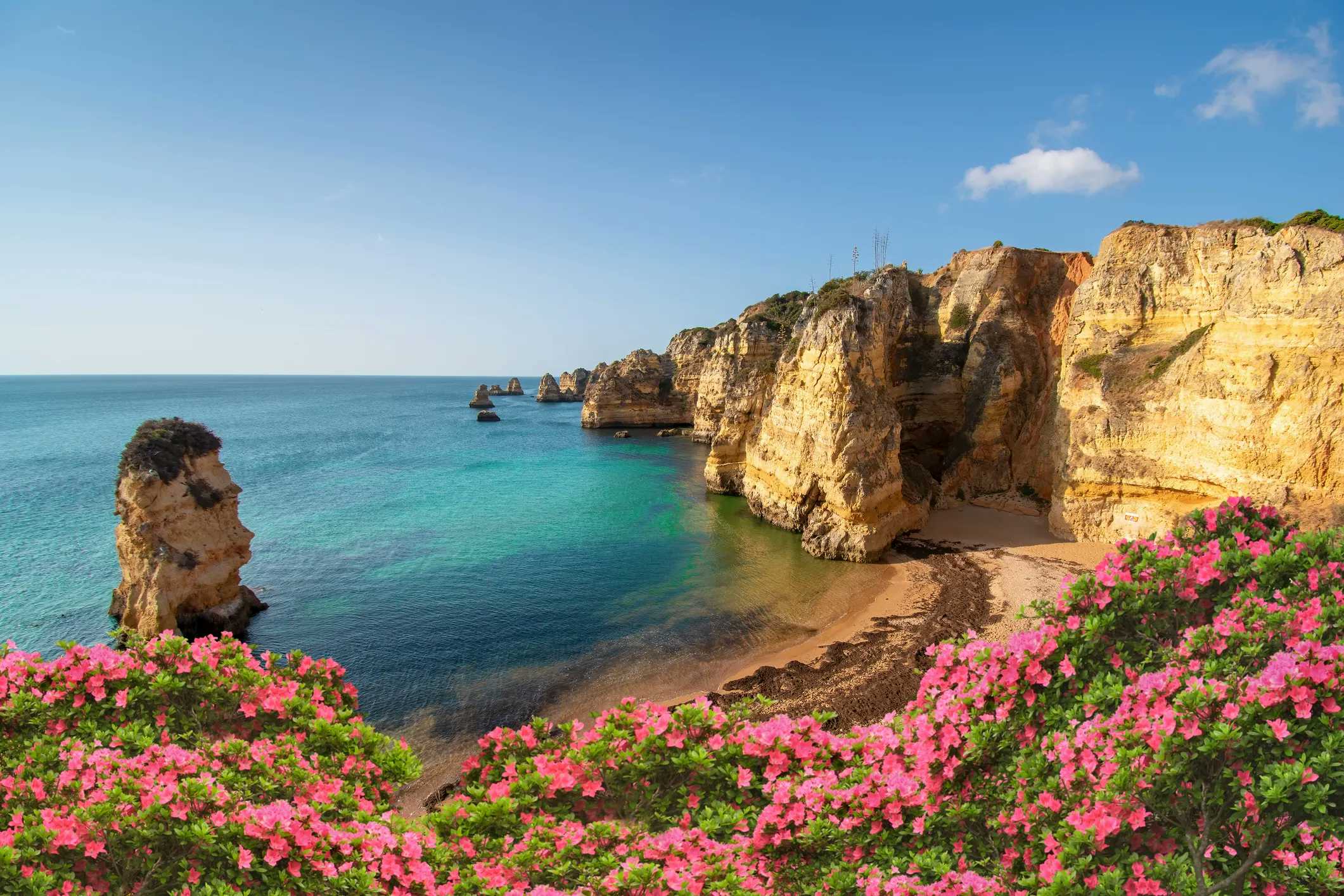
Portugal (Lisbon and Cascais): Walkable, affordable, easy

Lisbon is great for first-timers. English is common in tourist areas, and the vibe feels friendly. Trams, metro, and rideshares make moving around simple. Food and lodging offer strong value.

Simple plan: three days in Lisbon for Alfama, Baixa, and the riverfront. Add a day trip to Sintra for palaces and gardens, and one day in beachy Cascais. Wear comfy shoes since Lisbon has hills. Try pastéis de nata, and ride Tram 28 early to beat crowds. Best months: spring or fall for mild weather and smaller lines.

Ireland (Dublin and day trips): Friendly and simple to get around

Ireland feels like a soft landing. It is English-speaking, locals are warm, and tours by bus or train are easy to book. Dublin is compact, with museums, parks, and pub music nights.

Simple plan: two to three days in Dublin, then day trips to Howth for coastal walks, Kilkenny for medieval charm, or the Cliffs of Moher. Book timed entries for top sites when offered. Pack a light rain jacket and your favorite walking shoes. Best months: May to September for longer daylight.

Greece (Athens plus one island): Classic sights without stress

Greece has clear tourist paths and lots of English in key zones. Moving from Athens to a nearby island is simple by ferry or short flight. Food is approachable, and people are helpful.

Simple plan: two days in Athens for the Acropolis and the Acropolis Museum, then two to three days on Hydra, Naxos, or Santorini. Book sunrise or late afternoon slots for big sights. Carry some cash for small shops and bakery stops. Best months: late April to June or September to October for breezier days.

Japan (Tokyo to Kyoto): Safe, clean, and well signed

Japan is beginner-friendly, with spotless transit and plenty of English signage in major areas. The trains are on time and easy to understand. Safety and service are standouts.

Simple plan: start in Tokyo for Shibuya, Asakusa, and Meiji Shrine. Then take the Shinkansen to Kyoto for temples, tea houses, and quieter nights. Get an IC card like Suica or PASMO for transit. Learn a few greetings and keep voices low in quiet spaces. Best months: March to May and October to November for mild weather.

Singapore: One city base with big rewards

Singapore gives you one base with a lot to do nearby. English is widely spoken. The MRT is fast, clean, and simple to use. The city is safe, compact, and packed with food.

Simple plan: three to four nights. Eat at hawker centers, see Gardens by the Bay, and walk Chinatown and Little India. Add Sentosa for beach time. Bring a refillable bottle and plan indoor breaks at midday. Best months: year-round, with short showers common.

If you want budget value, also scan this guide to cheap places to travel in 2025 and match it to your season. These first international trip tips keep things simple so you can enjoy more and stress less.
First International Trip Tips: Plan Less, Enjoy More

Keep it simple. Book the basics, add a few highlights, and leave room to breathe. These first international trip tips focus on what actually helps.

Flights and layovers made simple

  • Pick nonstop flights when you can, or one layover with at least 90 minutes.
  • Fly in a day early if you have a tour or cruise the next day.
  • Choose seats near the front to exit faster on arrival.
  • Save boarding passes and key docs offline in your phone wallet.

Stay smart: all-inclusive resort or city hotel

  • Resorts are easy, with food and activities bundled. City hotels put you by the best sights.
  • Stay near a transit hub or main sights to cut daily commute time.
  • Look for breakfast-included rates and a 24/7 front desk.
  • A travel concierge can match lodging to your comfort level and budget.

Money, phone, and travel apps set up

  • Ask your bank about foreign transaction fees, and bring a no-fee card if you can.
  • Use ATMs for local cash, and skip airport exchange counters when possible.
  • Get an eSIM or international plan before you go. Download offline maps and a translator.
  • Turn on purchase alerts, and pack a backup card in a separate spot.

For more first-timer basics, this guide has clear steps on passports, visas, and packing: international travel advice for first-time travelers.

An easy 7-day first trip plan

  • Day 1: Travel, check in, short walk, early dinner.
  • Days 2 to 4: Top sights, one prebooked highlight.
  • Day 5: Guided day trip by bus or train.
  • Day 6: Free day for rest or a new find.
  • Day 7: Fly home.

Add buffer time for jet lag and midday breaks. Book one or two high-demand tickets in advance. Leave the rest open for wandering and food finds.

What Not to Do on Your First International Trip

Keep stress low and costs in check. These are the most common mistakes, with quick fixes.

Do not ignore passport rules and entry forms

Many countries want 3 to 6 months left on your passport and blank pages. Check if you need an eTA or e-visa and do it early. Save or print confirmations and hotel addresses for border forms. Keep both digital and paper copies of your passport and itinerary.

Do not overpack or bring the wrong shoes

Aim for carry-on if you can. Pack mix-and-match layers. Bring one pair of broken-in walking shoes and one dressy casual pair. Use packing cubes, a light rain jacket, and a compact daypack. Leave space for souvenirs.

Do not overplan every minute

Limit to one big thing per day, plus one small add-on. Build in time for transit, lines, and jet lag. Keep one full free day. Prebook only the hardest tickets so you stay flexible.

Do not skip travel insurance and safety basics

Travel insurance can cover medical care abroad, delays, and lost bags. Use hotel safes, split cards and cash, and scan ATMs before use. Be scam aware in crowds and trust your gut. Save emergency numbers and your embassy contact in your phone. For more first-timer pitfalls, scan these rookie mistakes to avoid on your first trip to Europe and this list of common travel mistakes and how to avoid them.

Want Concierge Help? We Make Easy Travel Even Easier

First trips do not need to be stressful. Plymouth Rock Travel Partners is a friendly guide for first-timers who want a simple, clear plan. We match you with beginner-friendly resorts or city stays, map out transfers, and share calm, step-by-step info. You keep the fun parts. We handle the rest.

How our travel membership works

We learn your travel style in a quick chat. We build a short list of options that fit your dates and budget. You choose your favorite. We book, organize documents, and support you before and during the trip. Membership means ongoing help, VIP adds when available, and easy planning for future trips.

What you get as a first-time traveler

  • A personalized destination short list by season, budget, and comfort level.
  • Flight and layover strategy, plus easy airport transfers.
  • Prebooked must-sees so you skip ticket stress.
  • Clear, step-by-step documents with maps, tickets, and local tips stored offline.

Sample beginner-friendly resort and city combos

  • Lisbon, Sintra, and Cascais: It is walkable, affordable, and close together. A week could be three nights in Lisbon, a day in Sintra, and two nights in Cascais by the beach.
    • Highlight: a morning Tram 28 ride and sunset by the Belém Tower.

  • Athens plus Naxos or Hydra: Classic sights, then a calm island. Spend two days in Athens, then ferry to Naxos for beaches or Hydra for a car-free feel.
    • Highlight: a late afternoon Acropolis visit and a seaside taverna dinner.

Conclusion

Pick an easy place, keep plans simple, avoid common mistakes, and ask for help if you want a smooth start. These first international trip tips and ideas for where to travel with a new passport can make 2025 your year. Choose Plymouth Rock Travel Partners to start your international journey.

If you want a calm, done-for-you plan, reach out and we will map it for you. You are ready, and your first trip can feel easy. With these first international trip tips, your 2025 passport debut can feel fun, calm, and confidence-boosting.

Travel Insights & Inspiration

Expert advice, destination guides, and travel tips to help you plan unforgettable journeys.

Historic European square at sunset with fewer crowds representing alternative travel destinations

Travel Trends

5 Apr 2026

The Rise of “Second Destination Travel”

Tropical island boat tour with clear turquoise water and palm trees representing affordable travel destinations

Budget Travel, Travel Tips

3 Apr 2026

What $1,000 Gets You in 5 Different Destinations (2026 Travel Comparison)

Tropical beach with mountains and clear water in spring travel destination

Monthly Guides, Travel Tips & Planning

1 Apr 2026

Where to Travel in April (Best Weather, Fewer Crowds & Better Prices)

Tropical beach with mountains and turquoise water in April travel destination scene

Monthly Guides

30 Mar 2026

Where to Travel in April (Before Prices Jump for Summer)

Tropical beach cove with calm blue water, palm trees, and families enjoying the shoreline

Best for Families, Travel Tips & Planning

26 Mar 2026

The Best U.S. Destinations for Multigenerational Family Trips

National Parks in Spring: Where to Go Before Summer Crowds Hit Spring in the national parks feels like you showed up early to a concert and got the best spot. From March through May, you'll often get cooler temperatures, stronger waterfalls fed by snowmelt, and the first big push of wildflowers, all before summer traffic and full parking lots become the norm. That said, spring can change fast. Higher trails can still hold snow, forest parks can swing from sun to downpour, and deserts can feel mild at breakfast but hot by mid-afternoon. A little flexibility matters. This guide shares six U.S. national parks that shine in spring, what to do in each, and how to plan around crowds. You'll also find guided tour ideas (helpful for permits and confidence on busy trails) and a practical packing list. One money tip up front: book nearby hotels early, because spring weekends fill quickly. If you like the idea of discounted stays near popular parks, Plymouth Rock Travel Partners (PRTP) is a membership option that can help you find lower rates without turning the trip into a complicated project. 6 national parks that look their best in spring (before peak season) Spring is when these parks feel awake but not overwhelmed. Aim for weekdays when you can, and plan your biggest hike early in the day. Zion National Park, Utah: spring waterfalls, canyon views, and cooler hiking days Best spring window: March to May (often feels like 50 to 70°F in the canyon, warmer by late May). Zion's hanging gardens and seeps tend to look their best in early spring, especially after winter moisture and early snowmelt. You'll also hike more comfortably before summer heat bakes the slickrock. For can't-miss stops, keep it simple: Riverside Walk is an easy, scenic stroll beside the Virgin River, and the Emerald Pools trails are a classic for spring greenery and seasonal water. If you're chasing bigger views, hike up to Canyon Overlook for a short, steep payoff. Crowd tip: Zion's canyon shuttle season typically starts in early March, so park once, ride the shuttle, and start before mid-morning. If Angels Landing is on your list, remember the permit requirement for hiking past Scout Lookout. If you're choosing between spring park options, this roundup of best national parks to visit in May is a helpful cross-check for weather and timing. Great Smoky Mountains, TN/NC: wildflower season plus classic waterfall hikes Best spring window: April to May, with wildflowers often strongest mid-April to mid-May. The Smokies do spring in layers, from early blooms in low valleys to later color at higher elevations. Waterfalls stay lively thanks to rain and lingering mountain snowmelt, although storms can raise stream levels quickly. For easy to moderate hikes, start with Laurel Falls (one of the most popular, and for good reason). For a more rugged feel, Abrams Falls brings a stronger, wilder sound and a satisfying finish. If you want wildlife and open views without a long hike, drive the Cades Cove Loop and pull off for short walks. Crowd tip: May can still feel calmer than summer, especially before Memorial Day. Go early or mid-week in Cades Cove, because traffic jams are common once the day gets rolling. Cuyahoga Valley, Ohio: a quieter spring trip with big waterfalls and easy trails Best spring window: Late April to May. Cuyahoga Valley is an easy win for spring, especially if you want waterfalls and green trails without the pressure of a "big trip" vibe. In wetter springs, the park's falls can run strong, and the valley starts popping with early wildflowers. Don't miss Brandywine Falls, where a boardwalk and viewpoints make it accessible for most visitors. Pair it with Blue Hen Falls for a short hike that feels tucked away. For a low-effort, high-reward day, use the Towpath Trail for biking or a relaxed out-and-back walk. Crowd tip: visit waterfall areas on weekday mornings, then shift to Towpath Trail in the afternoon. It spreads people out, and parking is usually easier. If anyone in your group prefers overlooks and short walks over longer hikes, this list of national parks for non-hikers can help you set expectations and pick stops everyone enjoys. Redwood National and State Parks, California: misty trails, fresh green forests, and Fern Canyon flow Best spring window: April to May, with mild days around 50 to 65°F and frequent rain. Redwood country looks freshly washed in spring. The air smells like damp earth and bay leaves, and creeks stay lively from winter storms. You'll trade desert dust for mossy trunks and soft fog. Start with Fern Canyon, especially when seasonal flow is up and the walls drip with greenery. Add a drive on Howland Hill Road for classic redwood scenery (check conditions first, because it can be rough and muddy). For an easier forest walk, pick a short loop in the Lady Bird Johnson Grove area. Crowd tip: aim for a mid-week afternoon in Fern Canyon when day-trippers thin out. Also, watch your footing, because spring mud and slick boards can turn a simple walk into a slip hazard. Death Valley, CA/NV: March desert blooms before the heat turns serious Best spring window: March (often 60 to 80°F), before April and May heat ramps up. Death Valley in spring can feel like a different planet, especially in the soft morning light. Wildflowers depend on winter rain and can be spotty in drier years, so check park updates before you drive in expecting fields of color. For a reliable spring highlight, Darwin Falls (outside the main valley) is a greener contrast to the usual palette. Inside the park, Badwater Basin is an easy stop for salt-flat views and quick photos. If you want a classic viewpoint without a long hike, time Zabriskie Point for early or late light. Crowd tip: avoid midday hiking, even in spring. Start early, carry extra water, and plan your longer walks for cooler hours, because temperatures can swing fast. Joshua Tree, California: boulders, desert flowers, and comfortable daytime temps Best spring window: March to April, with peak blooms often late March to mid-April (typical days around 60 to 75°F, warmer later). Joshua Tree's spring magic is the mix of mild air, clean light, and small surprises, like fresh blooms tucked into sandy washes. Even a short visit can feel full, because many highlights sit close to the road. For quick, satisfying stops, hit Keys View for a broad panorama and Skull Rock for an easy walk with big payoff. After rains, Barker Dam can hold seasonal water, which changes the feel of the entire loop and draws birds in. Crowd tip: weekends can be busy even in spring. Go for sunrise or sunset, then take a long lunch break when parking lots clog up. Simple spring trip planning that helps you beat the crowds Spring trips work best when you plan like you're packing for two seasons, because you are. First, pick shoulder weekdays if your schedule allows it. Tuesday through Thursday often feels calmer, even in popular parks. Next, start early. A 7:00 a.m. trailhead arrival can feel like a cheat code, because you get cooler temps and easier parking. Keep your itinerary realistic. Choose one anchor hike per day, then add one flexible backup that's shorter or lower elevation. That way, if snowmelt makes a trail muddy or rain rolls in, you still have a great plan. If you're fitting a park into a long weekend, this guide to 4-day national park getaways can help you think in simple, doable blocks of time. Also, watch for permits and timed systems. A quick checklist helps: Permits: for example, Angels Landing in Zion requires a permit to go past Scout Lookout. Shuttles: some parks shift to shuttle-only access in peak areas in spring. Road status: spring storms or repairs can close scenic drives. Spring isn't "bad weather," it's fast weather. Build in one flexible afternoon, and your whole trip feels easier. Finally, lock lodging early, especially near gateway towns. Staying outside park gates often saves money and driving stress. PRTP can also help you book nearby accommodations at wholesale rates, often 40 to 60% off retail, with free sign up and no hidden fees. If you've ever compared travel clubs to old-school vacation ownership, this overview of travel memberships vs timeshares explains the differences in plain English. Guided tours and outdoor excursions that make spring visits easier Guided trips aren't only for beginners. In spring, a good guide can save you from wrong turns, wet-foot surprises, and permit confusion. You also get context, like how snowmelt shapes canyon ecosystems or where wildflowers tend to pop first after a rain. Zion is a great place to consider a guided day hike, because the park mixes crowds, exposure, and shuttle logistics. Wildland Trekking offers guided day hikes, and some local operators (including All Ways Adventure, with guided hikes starting around $299+) focus on small-group experiences. If you prefer a marketplace where you can compare dates, durations, and reviews in one place, browse Zion hiking tours on Viator and filter by fitness level and cancellation terms. In other parks, look for tours that match the season: In the Smokies, ranger-led programs and naturalist walks are great for spring wildflowers. Near Cuyahoga Valley, bike rentals and shuttle options can make the Towpath Trail easier. In Redwood country, small-group hikes help with trail conditions and timing tides and rain. Questions to ask before you book: Group size: smaller groups usually move faster and feel less crowded. Gear provided: ask about trekking poles, traction, or rain gear if conditions look wet. Cancellation policy: spring forecasts change quickly. Fitness fit: confirm elevation gain, surface type, and any water crossings. What to pack for spring national park trips (waterfalls, wildflowers, changing weather) Spring packing is about layers and keeping your feet happy. You don't need fancy gear, but you do need gear that works when trails turn wet or temperatures jump. Clothing (layers that adapt) Light base layer (synthetic or wool), plus a mid-layer fleece Waterproof rain jacket and rain pants Wool or synthetic hiking socks (pack an extra pair) Hat and light gloves for cool mornings Gear (comfort and traction) 20 to 30L daypack with a rain cover or liner Waterproof hiking boots or trail shoes with grip Trekking poles for slick paths and creek edges Headlamp (because sunsets and trail delays happen) Power bank and charging cable Safety and skin protection Sunscreen and lip balm (yes, even in spring) Bug repellent (picaridin works well) Simple first-aid kit and blister care Plenty of water, plus electrolytes for desert parks Affiliate-ready suggestions: search Amazon for Columbia Pouring Adventure II (rain jacket), Outdoor Ventures rain pants, Merrell Moab hiking shoes, Sawyer Picaridin insect repellent, Black Diamond trekking poles, Darn Tough socks, and Adventure Medical Kits first-aid kits. Two quick park-specific callouts: for Death Valley and Joshua Tree, bring more water capacity than you think you'll need and plan for strong sun. For Redwood and waterfall trails, prioritize rain protection and grippy soles. Test your gear at home, then pack out every scrap of trash you bring in. Conclusion Spring is the sweet spot for national parks in spring travel. Waterfalls run stronger, wildflowers show off, and temperatures stay friendlier than midsummer. Better yet, you can still find quiet trails if you go before peak season and aim for weekdays with early starts. Pick your park based on the experience you want: Zion for canyon views, the Smokies for wildflowers, Cuyahoga for easy waterfalls, Redwood for misty forests, or the California deserts for blooms and big skies. If you want more confidence on busy or exposed trails, a guided hike can be money well spent. Book lodging early, too, because spring weekends disappear quickly. PRTP is one simple way to find discounted nearby accommodations at wholesale rates (often 40 to 60% off retail), with free sign up and no hidden fees.

Adventure & Outdoor Travel, Best for Adventure Seekers, Best for Nature Enthusiasts, Travel Tips & Planning

24 Mar 2026

National Parks in Spring: Where to Go Before Summer Crowds Hit

Travel Insights & Inspiration

Expert advice, destination guides, and travel tips to help you plan unforgettable journeys.

New Customers: Book Your First Vacation With Us & GET 50% OFF!