

Dubai travel in 2025 is trending for all the right reasons… and not just the weather. Visitor numbers keep rising, new attractions keep opening, and influencers are flooding feeds with sky-high views, desert drives, and luxe stays.
In 2025, the city leans into big, bold experiences. Think AI-powered concierge perks, yacht days on the marina, private desert dinners, and cultural festivals that feel fresh and welcoming. Even better, more hotels push eco-friendly design without losing the five-star feel.
This guide breaks down why Dubai is trending, when to go, and where to book. You will see the can’t-miss spots, from record-breaking towers to creative districts and beach clubs, plus the quiet hits like creekside heritage walks and sunrise dune tours.
We will cover smart booking moves, including timing your trip around major events and shoulder-season deals. You will get packing tips for desert heat, modest dress norms for cultural sites, and how to plan days that mix adventure with pool time.
Want luxury for less? Plymouth Rock Travel Partners can help you save on five-star resorts, suite upgrades, and VIP-style perks through a travel membership. It is a simple way to stretch your budget, so you can say yes to that sky-high dinner or a spa day.
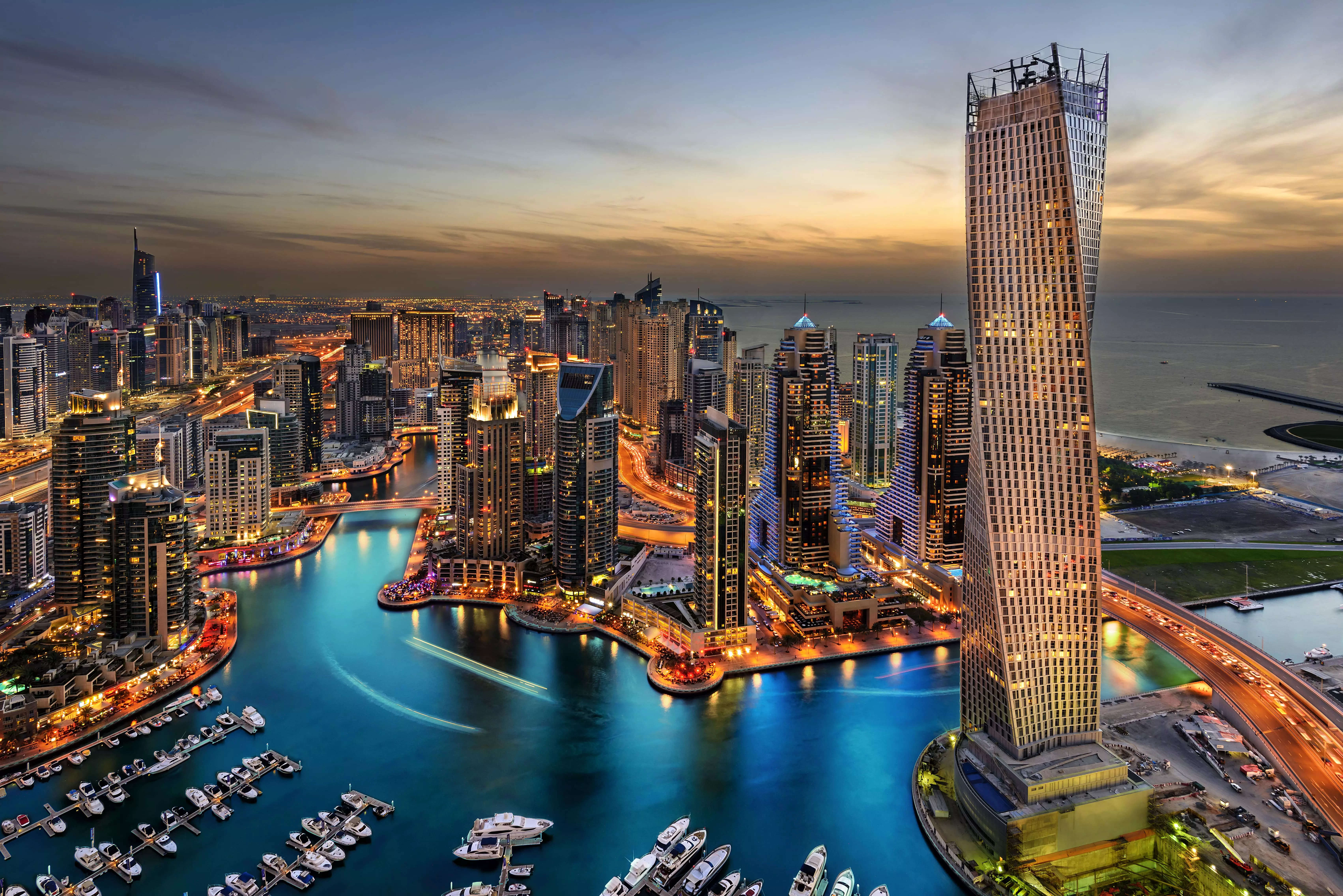
Why Dubai Is the Hottest Travel Spot Right Now
Dubai keeps raising the bar, and 2025 is no exception. The city blends five-star stays with thrill-packed days, quick access to culture, and more photogenic spots than your camera roll can handle. It is polished and easy to navigate, yet still full of surprises. If you want that big trip energy without stress, Dubai delivers.
New Attractions and Events Boosting the Hype
The city keeps its spotlight by refreshing signature sites and unveiling buzzworthy experiences. The Museum of the Future draws crowds with rotating showcases and immersive tech, while the Expo 2020 legacy district, now Expo City Dubai, anchors festivals, conferences, and family events that keep the grounds vibrant year-round. For a quick scan of what is new and trending, check out Visit Dubai’s guide to the top new tourist attractions in Dubai.
October is one of the best months to visit. The weather eases, outdoor venues reopen, and the calendar fills fast. Expect:
- Big-ticket culture and entertainment. The city’s official Dubai events calendar highlights concerts, theater, comedy, and family shows across Dubai Opera, Coca-Cola Arena, and community stages.
- Major tech weeks. GITEX GLOBAL brings international attention to Dubai World Trade Centre, turning the city into a hotspot for creators, founders, and media.
- Seasonal favorites. Dubai Miracle Garden returns with larger-than-life floral displays, ideal for content capture. See what is new for 2025 in Gulf News’ update on Dubai Miracle Garden’s latest season.
Why does this matter for your trip? These moments draw influencers and travelers who want standout visuals. Think reflective shots outside the Museum of the Future, skyline views from infinity pools, artful plates at top dining rooms, and golden-hour walks through Expo City’s pavilions. Plan around a few marquee events to lock in better rates and guarantee tickets, and you will have built-in content hooks your followers will love.
Pro tip: Book popular attractions and performances ahead of time. Big weekends sell out, especially mid-October through early December.
The Perfect Mix of Luxury and Adventure for Every Traveler
Dubai works for all travel styles, so you can design days that fit your pace and budget.
- Luxury-seekers: Stay at icons like Burj Al Arab or book a suite with a private pool on the Palm. Add A-list dining, yacht charters around Dubai Marina, and rooftop spa time with skyline views. A travel membership like Plymouth Rock Travel Partners can help you score suite upgrades and resort credits, so you get more value without cutting corners.
- Adventurers: Start with a sunrise hot air balloon ride over the dunes, then dune-bash and sandboard in the desert. Try the XLine zipline across Dubai Marina or kayak around Palm Jumeirah. Cap the day with a desert dinner under the stars.
- Culture lovers: Walk Al Fahidi Historical Neighborhood, browse Alserkal Avenue’s galleries, and haggle for spices and gold in Deira’s souks. Pair modern icons like the Dubai Frame and Museum of the Future with creekside heritage to balance old and new.
Families and solo travelers both win here. Hotels offer kids’ clubs, lazy rivers, and waterparks, while the metro and plentiful rideshares keep solo trips simple and safe. You can mix a morning at the souks, an afternoon at a beach club, and a sunset at an observation deck, all in one day.
Quick planning cues:
- Pick your anchor experiences first, like a hot air balloon or Expo City event.
- Layer in flexible pool or beach time.
- Lock key dinners and attractions 2 to 4 weeks out in October.
Set your dates, plan your highlights, and let the city do the rest. Dubai has the range to match your mood, whether you want silk sheets, sand under your feet, or both in 24 hours.

Must-See Experiences That Make Dubai Unforgettable
Dubai stacks record-breakers, desert drama, and culture you can feel in a single day. Use this hit list to shape your 2025 plans, then layer in pool time and sunset photo stops. Book popular slots ahead, especially weekends.
Iconic Landmarks and Architectural Wonders
Dubai feels like an open-air design museum, and the icons deliver.
- Burj Khalifa: Ride to At The Top for a skyline that looks like a sci-fi set. Sunset slots sell fast for a reason. Clear views after a sandstorm are magic. Consider pairing your visit with Palm views to maximize a single day.
- Palm Jumeirah: From above, the fronds line up like a perfect print. The View at The Palm shows the scale, while a monorail ride gives you close-up angles. Combo tickets that group Burj Khalifa and Palm viewpoints help you save time and planning. See options on the official page for the Burj Khalifa and The View at The Palm combo.
- Modern marvels: The rippling Museum of the Future turns into a day and night photo magnet. Dubai Frame splits old and new Dubai in one glance. Ain Dubai (when operating) offers wide angles of Bluewaters and the Marina. Even the metro stations have artful lines worth a quick snap.
Why it belongs on your list:
- Engineering at scale: Skyscrapers, reclaimed islands, and bold forms in one city.
- Design details: Arabic calligraphy on the Museum of the Future, gold geometry at the Frame.
- Photogenic light: Blue hour turns steel and glass into a neon watercolor.
Pro tip: If you want fewer crowds, target morning or late-night slots for top decks. Travel memberships can help you secure better time windows and bundled pricing.
Desert Adventures and Cultural Dives
Balance the skyline with warm sand and real stories.
- Dune bashing: Strap into a 4×4 and surf the dunes with a trained guide. Ask for sunrise or late afternoon for cooler temps and softer light. Verify safety standards and group size before you book. Read recent traveler reviews to gauge quality using resources like Tripadvisor’s Desert Safari overview.
- Camel rides and sandboarding: Short camel treks work for photos. Longer treks are calmer and more scenic. Sandboarding is easy to learn and great for quick clips.
- Go authentic: Choose smaller, conservation-focused operators. Look for guided astronomy, Emirati coffee ceremonies, and Bedouin stories told by local hosts. Avoid camps that push you to shop or upcharge every step.
- Al Fahidi Historical Neighborhood: Slow down in the narrow lanes, wind towers, and ochre courtyards. Pop into cultural centers and museums, then cross Dubai Creek by abra. It is the best contrast to the high-gloss skyline and keeps your day grounded.
Smart booking tips:
- Pick a small-group or private desert tour to skip crowded camps.
- Book cooler time slots from October to April.
- Add Al Fahidi on the same day as the souks to keep travel simple.
Travel upgrade: Use a membership like Plymouth Rock Travel Partners to package desert tours with hotel perks. Fewer vendors, better rates, more time on the dunes.
Shopping and Dining That Spoil You Rotten
You can swing from mall couture to old-school bargaining in a single afternoon.
- Dubai Mall: Luxury houses, concept boutiques, and an aquarium between coffee stops. If you are hunting for a specific bag or watch, call boutiques ahead for availability. Popular restaurants and cafes fill early near the fountain.
- Deira Gold Souk and Spice Souk: Wander for one-of-a-kind gold pieces, custom designs, and fragrant spices. Start with a firm price in mind, compare a few shops, and ask for certificates on higher-value gold. Keep cash and cards handy for quick deals.
Hungry? Try this mix:
- Street food and casual: Shawarma near Satwa, Pakistani classics at Ravi Restaurant, and fresh paratha around Deira. Fast, cheap, and delicious.
- Modern Middle Eastern: Contemporary Emirati plates, grills, and mezze in stylish rooms. Time Out Market Dubai brings top spots under one roof.
- Fine dining: Tasting menus at Tresind Studio, Japanese at Zuma, or seafood at Ossiano if you want a showstopper. Most venues are halal, and many offer separate menus or non-alcoholic pairings.
Quick tips to eat and shop well:
- Reserve prime dining 2 to 4 weeks ahead in peak months.
- Dress modestly for souks and cultural sites. It is respectful and keeps the vibe relaxed.
- Plan shopping near landmarks to stack experiences, like Burj Khalifa plus Dubai Mall in one go.
Money saver: A curated travel membership can unlock suite upgrades and resort credits at five-star stays. Those extras cover a special dinner or two, which makes your itinerary feel luxe without overspending.

Smart Booking Tips to Get the Most from Your Dubai Trip
Dial in your timing, pack smart, and lock the right rates. A few simple moves will save money, cut heat, and open doors to better experiences.
When to Go and What to Pack
Fall 2025 is your sweet spot. Late September to early December brings cooler days, open beach clubs, and a full event calendar. Aim for October and November for the best balance of weather and rates.
- Flight timing: Watch fares from New York, Los Angeles, Chicago, and Miami. Midweek departures, Tuesday or Wednesday, often price lower. For fare trends and tips, scan this guide on when it is cheapest to go to Dubai.
- Booking window: Long-haul flights price best 2 to 6 months out. Set alerts now, then pounce on rare sub-$800 roundtrips from major hubs.
- Heat plan: Days are warm, nights are pleasant. Outdoor brunches, rooftop pools, and desert tours run comfortably again.
Smart packing keeps you cool and respectful at cultural sites:
- Light layers: Breathable tees, linen shirts, a light sweater for AC-heavy interiors.
- Modest options: Bring a scarf or shawl, knee-length dresses or pants for mosques and heritage areas.
- Desert gear: Closed-toe shoes, sunglasses, a hat, and SPF 50. Sand reflects sunlight.
- Resort kit: Swimsuit, cover-up, and sandals. Many hotels have dress codes at dinner, so add one polished outfit.
- Power and basics: Type G adapter, refillable water bottle, and a small crossbody for souks.
Visa, Costs, and Hidden Fees to Watch For
Most travelers breeze through entry. Many nationalities, including U.S. citizens, get a visa on arrival for stays up to 90 days. Confirm your status with the UAE Embassy’s guidance for U.S. citizens. If you need to apply in advance, airlines such as Emirates host a simple online process, outlined here: UAE visa information on Emirates.
Use this daily spend range as a quick benchmark:
- Mid-range comfort: $120 to $250 per person, per day.
- Upscale and luxury: $200 to $500 per person, per day, depending on dining and activities.
What drives costs:
- Hotels scale by location and view, Palm and Downtown price higher.
- Fine dining, tasting menus, and premium drinks add up fast.
- Private tours, yachts, and spa days push totals into the luxury bracket.
Avoid common extras that surprise first-timers:
- Tourism Dirham: A small fee per room, per night, paid at the hotel.
- Taxes and service: Many bills include service charges and VAT. Check the line items before tipping.
- Airport transfers: Hotel cars can be pricey. Compare with a metered taxi or Careem, or use the Metro from DXB to Downtown.
- Foreign transaction fees: Use a no-fee credit card, or withdraw AED once to limit ATM charges.
- Roaming: Buy an eSIM or local SIM at the airport for cheaper data.
- Attraction add-ons: Skip photo packages and upgrades you do not need. Book timed tickets for towers and The View to avoid rescheduling costs.
Money-saving moves:
- Prebook two or three big-ticket experiences in one bundle.
- Choose breakfast-included rates, it covers one premium meal daily.
- Use the Metro and trams for city hops, then rideshare at night.
How Plymouth Rock Travel Partners Makes Booking Easy and Affordable
You want top-tier stays without guesswork. A Plymouth Rock Travel Partners membership helps you do that with member-only pricing, perks, and support that actually reduce trip stress.
What you get:
- Discounted member rates: Access below-public pricing at five-star resorts across the city, including properties in the Jumeirah portfolio and luxe Palm addresses.
- VIP-style perks: Daily breakfast for two, resort credits, spa discounts, and early check-in or late checkout when available. These add real value on a luxury trip.
- Personalized itineraries: Your planner aligns hotel location, events, and daily flow. Think Burj Khalifa views on arrival day, a desert sunset the next, then beach time before a fine dining night.
- Insider tips: Advice on time slots with fewer crowds, quiet pool corners, and the right dress codes for hot dining rooms.
Why it matters: Those extras can offset premium dining or a desert tour, and the planning support keeps your schedule smooth. If Dubai is your big 2025 trip, sign up and request a tailored package that matches your dates, style, and budget.
Conclusion
Dubai is having a moment for good reason. You get five-star stays, desert thrills, culture you can touch, and a city built for standout photos. Plan around cooler months, book big-ticket views early, and balance your days with pool time, souks, and one wow dinner. Pack light layers and modest options for heritage sites, then aim for sunrise or sunset in the desert for the best light and temps.
Lock flights a few months out, watch midweek fares, and bundle experiences to cut costs. Skip surprise fees by checking taxes and add-ons before you pay. Choose small-group tours, reserve peak dining in advance, and use metro or rideshare to keep things easy. That simple playbook turns a busy city into a smooth, joy-filled trip.
Ready to save on luxury while you plan? Explore Plymouth Rock Travel Partners for member rates, resort credits, and smart perks that stretch your budget in all the right places. Start your Dubai plan today, pick your anchors, and let the city deliver the rest. Thanks for reading, and share your dates and must-dos so we can help you build the perfect 2025 itinerary.


