Your Ultimate Guide to Surviving Holiday Airport Chaos

Holiday airport chaos is real—but you can beat it. Learn how to choose smarter travel dates, dodge peak crowds, avoid delays, pack like a pro, and use your phone as a co-pilot. This guide gives you every strategy to survive the busiest travel season, plus how Plymouth Rock Travel helps travelers skip stress and save money.

Table of Contents

Share this Article:
Crowded airport terminal during the holiday travel season with passengers walking through gates and shops.

Ready for Your Next Getaway?

Search live resort availability, compare destinations, and start planning in minutes.

Picture of Plymouth Rock Travel Partners

Plymouth Rock Travel Partners

A world beyond the ordinary. We turn your travel dreams into unforgettable adventures.

You know the scene. The security line snakes past the food court, every seat at the gate is taken, and the departure board is a patchwork of “Delayed.” That is holiday airport chaos in full swing.

The 2025 holiday season is on track to be one of the busiest ever, building on record-breaking Thanksgiving crowds and packed winter schedules. The Sunday after Thanksgiving 2025 already set a new high for passengers, as reported in record-breaking Thanksgiving 2025 passenger numbers. Major hubs like Atlanta (ATL), Chicago O’Hare (ORD), Dallas Fort Worth (DFW), Los Angeles (LAX), and New York JFK feel this the most.

This guide will show you how to sidestep the worst of it, pick smarter travel days, use your phone like a co-pilot, and stay calm when delays hit. It will also show you how longer Plymouth Rock Travel stays before or after peak dates can save serious money and stress. Plymouth Rock Travelers often save an additional 30-50% by staying a few extra days when flights are cheaper, so they skip the worst airport chaos altogether.

Busiest Airports at Christmas time

Know What You Are Walking Into: How Busy Are Holiday Airports Really?

Holiday travel in late November, December, and early January is no joke. Passenger numbers are back at full strength and then some. The FAA expects Thanksgiving and Christmas travel in 2025 to be the busiest in over 15 years, as seen in the FAA Thanksgiving 2025 forecast.

Here is what that means for you:

  • Expect full parking lots and long bag-drop lines.
  • TSA lines are slower, even at smaller airports.
  • Weather adds another layer of risk in many parts of the country.

The worst days are usually:

  • The Sunday after Thanksgiving
  • The Friday and Monday before Christmas
  • The Friday and Monday after Christmas
  • The Friday and Monday around New Year’s

Big hubs like ATL, ORD, DFW, LAX, and JFK feel crowded from early morning to late at night. Smaller airports can be calmer, but they are still much busier than a normal week in March.

If you want more background on how holiday weeks build, this broader holiday travel guide for 2024 celebrations is a helpful companion read.

Peak vs off-peak holiday travel days you should know

Think of holiday travel days in two buckets: peak and off-peak.

Here is a simple snapshot:

HolidayPeak travel daysCalmer off-peak days
ThanksgivingWed before, Sun afterThanksgiving Day itself, Sat after
ChristmasFri–Mon before and after Christmas DayChristmas Eve and Christmas Day
New Year’sDec 30–31, first weekend after New Year’s DayNew Year’s Day itself, early days of first week

Around Thanksgiving, studies of busiest and calmest Thanksgiving travel days show that the Sunday after is tough for both crowding and delays. That same pattern repeats in smaller waves around Christmas and New Year’s.

More people means:

  • Longer security and boarding lines
  • Packed overhead bins and fewer empty seats
  • Slower help when a storm or meltdown hits, since every customer service line is full

If you can slide your trip to an off-peak day, you feel the difference across the whole journey.

Why early morning flights are your secret weapon

Flight delay data keeps telling the same story. Early flights run on time more often.

An AAA analysis of morning flight delays found that flights in the early part of the day are far less likely to be delayed or canceled.

Here is why flights before 9 a.m. are so helpful:

  • Your plane and crew often stayed overnight at the airport.
  • Thunderstorms and snow systems tend to build later in the day.
  • Small morning delays have not had time to snowball into large ones.

On busy holiday weeks, that 6 a.m. or 7 a.m. flight can be the difference between landing by noon or spending the night on an airport floor. If something does go wrong, you also have more backup flights later in the day.

Yes, waking up at 3:30 a.m. hurts. But gliding through a quieter terminal while the afternoon crowds fight for seats is worth it.
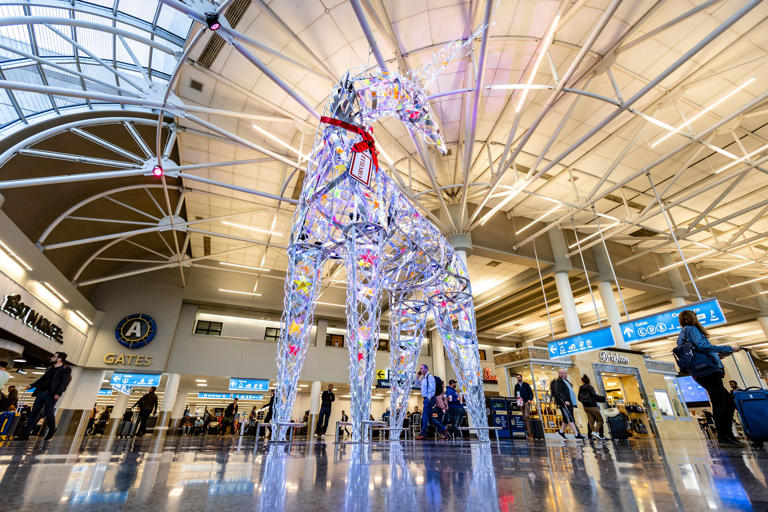
festive airports that go all out for the holidays

Smart Booking Strategies: Plan Your Trip To Dodge Airport Chaos

Beating airport chaos starts long before you touch your suitcase. The dates you choose, the airport you fly from, and even the route you pick all change how stressful your trip feels.

Longer stays that look like Plymouth Rock Travel packages are especially useful. When you add a couple of days before or after peak dates, you often get cheaper flights and quieter airports at the same time.

Choose smarter travel dates to save money and stress

A simple one or two day shift can drop your airfare and cut your stress in half.

Try moves like:

  • Flying Tuesday or Wednesday instead of Friday or Sunday
  • Leaving two to three days before the main school break starts
  • Returning on Christmas Day or New Year’s Day, instead of the next Sunday

These tweaks turn a “shoulder” day into your secret weapon. As crowds surge on peak days like Dec. 21 or the Sunday after Christmas, you might already be at the pool, or you are flying home on a much calmer date.

Plymouth Rock Travelers often save an additional 30-50% by staying a few extra days when flights are cheaper, and at the same time they skip the roughest airport days.

Why staying longer at your destination can beat peak travel days

Think of your trip like a see-saw. On one side you have flight cost and airport stress. On the other side you have extra hotel nights and a longer stay.

When you avoid peak travel days:

  • Airfare drops, sometimes by hundreds per person.
  • Parking at home or at the airport can cost less when you skip the busiest days.
  • You are less likely to miss work because you got stuck in a multi-day delay.

In many cases, the savings on flights cover most or all of those added hotel nights, especially when you tap into quick mini-vacation packages overview and member rates. Families and remote workers benefit even more, since they can often slide trips a couple of days without major pain.

It feels like a quiet “hack” smart travelers use every year.

Pick the right airport and route, not just the cheapest ticket

The cheapest ticket is not always your best friend during the holidays.

Think about:

  • Smaller or secondary airports. For example, flying into a smaller regional airport instead of a huge hub can mean shorter lines and calmer gates.
  • Nonstop flights. One long flight is usually safer than a tight connection through a busy winter hub.
  • Connection time. If you must connect, aim for at least 90 minutes on domestic routes and even more in bad-weather cities.

When you compare itineraries, picture what the day will feel like, not just what the fare looks like. A $40 cheaper ticket that sends you through two freezing hubs on the Friday after Christmas is sometimes a bad trade.

For bigger-picture planning ideas beyond the holidays, the broader 2025 travel trends and predictions page can spark ideas for when and where to go.

Seasonal Travel Guide: the Airport

Pack And Prepare Like A Pro: Make Security And Boarding Easier

How you pack and how you show up at the airport can shave big chunks of time off a very busy day.

Carry-on only: your best defense against lost bags and long lines

If you can handle it, carry-on only is king during peak season.

Benefits:

  • No waiting in long check-in lines.
  • No staring at an empty baggage carousel at midnight.
  • Faster rebooking if you miss a connection, since your bag is with you.

Simple carry-on tips:

  • Plan mix-and-match outfits. Choose a tight color palette so tops and bottoms work together.
  • Use packing cubes. They keep clothes tight and easy to pull out at security or in a small hotel room.
  • Wear your bulkiest items. Coats and boots on your body, not in your bag.
  • Know your airline’s size rules. A bag that fits at home but not in the sizer can be gate-checked at the worst moment.

If you must check bags, try one shared suitcase for the family instead of three separate ones. Fewer bags mean fewer chances something goes missing.

For more general packing and safety habits that apply year round, this essential travel tips checklist is worth a look.

TSA PreCheck, CLEAR, and security shortcuts that save your trip

Programs like TSA PreCheck are holiday lifesavers. With TSA PreCheck, most travelers enjoy:

  • Shorter security lines
  • Keeping shoes and light jackets on
  • Laptops and liquids staying in the bag in many lanes

The TSA’s own TSA PreCheck for families page explains how parents and kids can benefit together, which is especially helpful over winter break.

You need to enroll before your trip, so this is a “do it once, enjoy it for years” move. Frequent travelers often save 30 minutes or more in line on peak days. Over the course of a few trips, the time saved is huge.

CLEAR and airport-specific fast-track options also help at some locations, but if you start with one program, make it TSA PreCheck.

What to wear and bring to stay comfortable during long delays

Assume you will have at least one long wait somewhere on your trip. Then pack for that.

Good clothing choices:

  • Dress in layers so you can adjust to cold planes and warm terminals.
  • Wear soft, broken-in shoes, not brand-new boots.
  • Use a hands-free bag like a backpack or crossbody so you keep your hands free for kids, coffee, and your phone.

Key items for your personal item:

  • Snacks you actually like and that do not melt easily
  • An empty water bottle to fill after security
  • Phone charger and small power bank
  • Headphones or earplugs
  • Basic medicine, like pain relievers and any daily prescriptions
  • A spare shirt, underwear, and small toiletries in case you get stranded overnight

A bit of prep turns a stressful delay into a long but manageable pause.

what to expect at airports this holiday season

Use Your Phone As Your Co-Pilot: Apps And Alerts That Beat Airport Chaos

Your phone can warn you about delays, help you switch flights, and keep you fed and charged. Use it well and your trip feels more in your control.

Download your airline app before you leave home

Airline apps are not optional anymore. They are your main control center.

Before your trip:

  1. Install your airline’s app on every traveler’s phone.
  2. Create or log in to your account.
  3. Add your booking so it shows in “My Trips.”
  4. Turn on push notifications.
  5. Download your boarding pass into your phone wallet.

With that done, you can:

  • Get real-time alerts about delays and gate changes.
  • Rebook yourself when a flight is canceled, often without waiting in line.
  • Track bags on some airlines.

You can also pair airline apps with specialty tools like Flighty, which offers delay alerts faster than airlines, or use guides like this roundup of best tech tools to track flight delays if you fly often.

Use airport and travel apps to check lines, maps, and food options

Many large airports have their own apps. General travel apps also show:

  • Live or estimated TSA wait times
  • Terminal maps and walking paths
  • Lounges, kids’ areas, and pet relief zones
  • Food options near your gate

On a peak holiday morning, choosing a different security checkpoint or knowing the fastest route between concourses can save 20 minutes and a lot of stress.

This is especially useful in giant hubs like ATL and DFW, where a poor choice of checkpoint can turn into a 40 minute mistake.

Stay charged, connected, and ready for sudden changes

Treat power like another form of travel insurance.

  • Charge every device fully before you leave home.
  • Pack at least one small power bank.
  • Bring your own cables for every device.
  • Download key content offline in case Wi-Fi fails.

You may need your phone to handle last-minute gate changes, hotel changes, rideshare pickups, and insurance claims. Staying online is not just about scrolling social media. It is your lifeline when the schedule shifts.

Busiest U.S. Airports Over The Holidays

Stay Calm When Things Go Wrong: Delay And Cancellation Survival Skills

Even with perfect planning, winter storms and system issues can mess up your plans. What matters most is how fast and how calmly you respond.

What to do the minute your flight is delayed or canceled

When a delay or cancellation hits, move quickly but stay polite.

  1. Open your airline app and look for new flight options.
  2. Get in line for a gate or customer service agent, but keep working the app at the same time.
  3. Try the airline’s chat or phone support while you wait in line.
  4. Look at nearby airports and early next-morning flights if same-day options are gone.

If the disruption is large, airlines may offer meal vouchers or hotel discounts. It never hurts to ask nicely what help is available.

Build a backup plan before you leave for the airport

You will feel calmer if you already know your Plan B and Plan C.

Before your trip:

  • Check the next two or three flights to your destination, and note their times.
  • See if there are reasonable train, bus, or rental car options as a backup.
  • Save a short list of hotels near your main airport in case you get stuck overnight.
  • Decide how your group will handle a major delay so you avoid tense arguments at the gate.

For pricier holiday trips or multigenerational travel, pairing these habits with benefits of a travel membership and good travel insurance can protect both your budget and your nerves.

Protect your mood: staying patient, kind, and sane in crowds

Holiday travel already comes with emotion. Add crowds and delays and tempers can flare fast.

Simple habits help:

  • Eat before you get very hungry, since “hangry” travel is rough.
  • Drink water, not just coffee and soda.
  • Preload shows, music, or simple games for kids and adults.
  • Take short walks in the terminal to move your body.
  • Use easy breathing exercises, like counting to four on each inhale and exhale.

Remember that gate agents and flight crews are dealing with the same chaos from the other side of the counter. A calm, kind traveler is more likely to get extra help than someone who is yelling.

Conclusion

Holiday airport chaos is real, but it does not have to define your trip. When you plan your dates carefully, choose early morning flights, pack light, and use tools like TSA PreCheck and airline apps, you cut through much of the noise.

Build in extra days where you can, especially around the highest-pressure Mondays and Fridays near Christmas and New Year’s. Longer Plymouth Rock Travel stays before or after peak dates often unlock 30-50% savings and let you travel on quieter days, so you land rested instead of wiped out.

Most of all, give yourself time, stay flexible, and treat your phone and your prep as partners. With the right setup, even record-breaking holiday crowds become something you handle, not something that ruins your trip.

Travel Insights & Inspiration

Expert advice, destination guides, and travel tips to help you plan unforgettable journeys.

Person sitting quietly on a dock overlooking a calm mountain lake, representing slow and intentional travel

Best for Relaxation, Travel, Travel Trends

17 Jan 2026

Why Slow Travel Isn’t Just a Trend

Best Beach Vacations in the U.S. for Spring 2026 Spring is the sweet spot for a U.S. beach trip. You can snag warm days without peak summer prices, and you won't always battle wall-to-wall crowds. It's the season that feels like a sneak preview of summer, with better breathing room. For Spring 2026, plan around two realities: ocean water warms slower than air, and crowds surge around spring break (usually mid-March) and again in May. If swimming matters, timing matters even more. Below are the best spring beach vacations in the U.S., focused on Florida, the Alabama Gulf Coast, the Outer Banks, San Diego, and South Carolina. Each pick includes water temp ranges, the crowd vibe, a best-time window, and easy add-ons like boat tours, snorkeling, and paddleboarding. If you can swing it, late April into early May often hits the best balance: warmer water, steadier weather, and fewer spring break spikes. Quick guide to choosing the best spring beach for you Choosing a spring beach is like choosing a seat at a concert. Close to the stage is exciting but loud. Farther back is calmer, with a wider view. Neither is wrong, you just want the right fit. Start with three fast decision factors: 1) Water temperature (swim vs. sit) If you'll be happy reading on the sand, cooler water is fine. If you want long swims, aim for warmer Gulf and South Florida days, or push your trip later in spring. 2) Crowd comfort (quiet vs. lively) Some travelers want beach bars and boardwalk energy. Others want long, empty stretches for walking and photos. Spring can deliver both, depending on where you land. 3) What you want to do besides the beach Families often want easy activities nearby. Couples might want sunsets and good food. Active travelers usually want wildlife, history, and water sports, even if the ocean is cold. If you're flexible, late April and early May often feel like the "just right" zone in many regions. Meanwhile, March works well if you pick places that stay warm and accept a livelier vibe. Water temperature matters more than you think in March and April Water temps aren't just numbers, they're how long you'll actually stay in. Here's a simple way to think about it: 58 to 65°F: cold, most people last minutes, not hours 65 to 72°F: brisk, doable for quick dips, especially on sunny days 70°F+: easier for longer swims and relaxed floating If you're heading to cooler-water beaches (like San Diego or the Outer Banks), pack a rash guard or consider a light wetsuit for surf lessons or snorkeling. Also, build in a backup plan, such as a heated pool, a spa day, or a walkable town center, so your trip still feels full even if you skip swimming. Crowd expectations for Spring 2026, when it feels busy and when it feels calm Spring crowds come in waves. March can be packed in classic spring break hot spots, while April often feels like a reset. By May, family travel picks up again, especially around weekends. For a quick planning baseline, check current trends and popular spring break hubs using U.S. News spring break destination rankings. Even if you're not traveling for spring break, it's a helpful "busy list." Two practical tips help almost everywhere: Book weekends earlier than weekdays, since short getaways fill fast. Stay in a smaller town near a popular beach, then drive in for one big day of action. Best beach vacations in the U.S. for Spring 2026, by destination Before choosing, it helps to see the options side by side. Here's a quick snapshot of how spring typically feels in each place. Destination Typical spring water temps (Mar to May) Crowd vibe Best time window Florida (Miami Beach, Clearwater) 70 to 78°F Medium in March, busier by May Early April to early May Alabama Gulf Coast (Gulf Shores) 65 to 75°F Low to medium Mid-April to early May Outer Banks (Nags Head, Kitty Hawk) 58 to 68°F Low Late April for milder days San Diego (Coronado, La Jolla) 58 to 65°F Medium March to April for sunny weather South Carolina (Myrtle Beach, Grand Strand) 60 to 72°F Low in March, higher by May Late April to early May Water temps can swing year to year, especially in March. Use these as trip-planning ranges, then check local conditions the week you travel. Florida (Miami Beach, Clearwater Beach): warm water, easy swims, big spring energy If you want the simplest "show up and beach" experience, Florida is hard to beat. Miami Beach brings nonstop food and nightlife, while Clearwater Beach leans more laid-back with sugar-soft sand and sunsets that feel like a nightly event. Typical spring water temps: 70 to 78°F (March to May, often warmest later in spring) Weather: 75 to 85°F days, usually low rain Crowds: medium in March, then busier by May Best time window: early April through early May for warmth with fewer peak-week surprises Excursions that fit spring well: Biscayne Bay boat tour for skyline views and breezy water time Reef snorkeling on calm mornings (conditions vary) Stand-up paddleboarding in protected water (affiliate), especially bays and intracoastal spots Sunset pier strolls and local events, great on nights you don't want a late dinner Want a quieter Florida beach day without giving up the sunshine? Use a list like these top secluded Florida beaches to plan a day trip away from the busiest sand. Quick value tip: stay a few blocks off the beach. You'll often get a larger place for less, and the walk is still easy. Alabama Gulf Coast (Gulf Shores): soft white sand, better value, family-friendly days Gulf Shores is the friend who shows up with a great playlist and never makes things complicated. You get bright white sand, easy parking compared to bigger cities, and a calmer pace that works well for families and budget-focused travelers. Typical spring water temps: 65 to 75°F Weather: mild 70 to 80°F days Crowds: low to medium in spring Best time window: mid-April into early May, when the Gulf starts feeling more inviting Excursions to mix in: Dolphin cruise boat tour for an easy win with kids and grandparents Paddleboarding in calmer bays (affiliate), better than open surf on breezy days Fort Morgan for history and big shoreline views Alabama Gulf Coast Zoo as a fun, non-beach afternoon Long beach walks at low tide, especially early mornings If you want a reality check on early March conditions, a short-range forecast like this Gulf Shores weather outlook can help you pack smarter (think: light layers for evenings). Outer Banks, North Carolina (Nags Head, Kitty Hawk): wide-open beaches and a quieter spring feel The Outer Banks in spring feel like an empty movie set, in a good way. The beaches look huge, the light is great for photos, and you can hear the wind and waves without the summer buzz. Swimming is usually not the main event here, at least not in March and early April. Typical spring water temps: 58 to 68°F (chilly, especially early spring) Weather: 60 to 75°F with wind and occasional showers Crowds: low Best time window: late April for milder days and longer evenings Excursions that make the OBX shine: Surf lessons in wetsuit season, perfect for active travelers Wright Brothers National Memorial for a quick history hit Fishing or sightseeing boat tours, with fewer people on board than summer Sound-side paddleboarding (affiliate), calmer than the ocean side Wild horse tours in the region, a classic Outer Banks memory Pack layers. Days can feel warm in the sun, then flip cool fast after sunset. San Diego, California (Coronado, La Jolla): sunny days, cool water, amazing ocean wildlife San Diego is for travelers who care more about blue-sky days than bathwater warmth. You can sit on the sand in a light jacket, eat well, and spend your "beach time" exploring coves, tide pools, and ocean life. Typical spring water temps: 58 to 65°F Weather: 65 to 75°F and often sunny Crowds: medium, with families and weekenders Best time window: March through April for weather consistency Excursions that work especially well here: Snorkeling at La Jolla Cove, when visibility cooperates and sea life shows up Stand-up paddleboarding in calmer areas (affiliate), such as bays with less swell Whale-watching boat tours (seasonal, check timing) Tide pooling at low tide for an easy, free adventure Beach bike rides, especially around flatter coastal paths If you want to sanity-check early March sunshine and wind, a forecast tool like the Miami March outlook shows how spring conditions can vary by region. Florida often feels like summer compared to the Pacific. South Carolina (Myrtle Beach and the Grand Strand): boardwalk fun and a long list of things to do Myrtle Beach is built for travelers who want beach time plus entertainment close by. You can do a sunrise walk, spend midday at the ocean, then head straight to mini-golf, live shows, or a casual dinner without a long drive. Typical spring water temps: 60 to 72°F Weather: 70 to 80°F days Crowds: low in March, higher by May Best time window: late April through early May for warmer days and fuller schedules Excursions to keep it fun and varied: Boat rides on nearby waterways, especially around inlets and marsh views Paddleboarding on rivers and inlets (affiliate), when winds stay calm Parasailing for a classic Grand Strand view Mini-golf and family attractions, ideal for mixed-age groups Sunrise beach walks, then coffee on the boardwalk If you want a simple place to start, consider an easy bundled stay like the Myrtle Beach Ocean Escape package, then add activities based on weather. Simple planning tips to save money and get a bigger place near the beach In spring, the best trips often come down to one thing: space. A kitchenette, a separate bedroom, and room to spread out can change the whole feel of a 3 or 4-night stay. It also helps you save on meals and snacks, which adds up fast in beach towns. For Spring 2026, book earlier than you think, especially for April weekends. Bigger units and walkable locations go first, even in shoulder season. When you compare lodging, look at the full cost, not just the nightly rate. Parking fees, resort fees, and "per-night" add-ons can quietly change your budget. If you'll have a car, confirm parking before you click book. If you won't, confirm how easy it is to walk to the beach, groceries, and coffee. Plymouth Rock Travel Partners (PRTP) is one way travelers can often find spacious beach accommodations at wholesale rates, frequently saving 40 to 60% off retail. The big draw is simple: no presentations and no hidden fees, so you can compare total trip cost with less guesswork. For broader destination ideas while you plan, AAA keeps an updated list of places gaining traction each year, including coastal picks, in AAA's top vacation spots in the U.S. for 2026. What to book first for spring, dates, lodging, then activities A simple order keeps spring planning low stress: First, pick your week. Avoid the busiest spring break windows if you want quiet beaches. Next, lock in lodging early so you get the layout you want. Then reserve activities closer to the trip, since weather affects boat tours, snorkeling visibility, and paddle conditions. Before you finalize, confirm these details: cancellation rules and check-in timing parking costs and resort fees beach gear included (chairs, towels, umbrellas) exact distance to the sand (not "nearby") That short list prevents most last-minute surprises. Conclusion Spring 2026 beach planning gets easier when you match the destination to your comfort level. Choose Florida for warmer-water swims, Gulf Shores for value and family ease, the Outer Banks for quiet and wide-open views, San Diego for sunshine and wildlife, and Myrtle Beach for a packed menu of things to do. Above all, pick based on water temperature and crowd vibe, not just the prettiest photo. Plan early, compare total costs, and look for spacious stays with transparent pricing, with no presentations and no hidden fees.

Best for Beach Lovers, Cruises & Beach Escapes

18 Mar 2026

Best Beach Vacations in the U.S. for Spring 2026

Family relaxing together on a beach cabana during a sunny vacation

Travel

20 Mar 2026

How Much Should You Budget for a 5-Day Vacation?

Traveler jumping at sunrise with colorful hot air balloons over a scenic rocky landscape

Best for Nature Enthusiasts, Travel Tips & Planning, Travel Trends

22 Mar 2026

The Most Instagrammable Travel Destinations in the U.S. Right Now

Cinderella Castle at Magic Kingdom representing top family spring break destinations in 2026

Best for Beach Lovers, Best for Families, Best for Water Adventures, Travel Tips & Planning

10 Mar 2026

Best Spring Break Destinations for Families

Woman celebrating on tropical beach float representing smart vacation booking and affordable travel planning in 2026

Budget Travel, Travel Tips, Travel Tips & Planning

8 Mar 2026

The Smartest Way to Book a Vacation in 2026

Travel Insights & Inspiration

Expert advice, destination guides, and travel tips to help you plan unforgettable journeys.

New Customers: Book Your First Vacation With Us & GET 50% OFF!