Your Ultimate Guide to Surviving Holiday Airport Chaos

Holiday airport chaos is real—but you can beat it. Learn how to choose smarter travel dates, dodge peak crowds, avoid delays, pack like a pro, and use your phone as a co-pilot. This guide gives you every strategy to survive the busiest travel season, plus how Plymouth Rock Travel helps travelers skip stress and save money.

Table of Contents

Share this Article:
Crowded airport terminal during the holiday travel season with passengers walking through gates and shops.

Ready for Your Next Getaway?

Search live resort availability, compare destinations, and start planning in minutes.

Picture of Plymouth Rock Travel Partners

Plymouth Rock Travel Partners

A world beyond the ordinary. We turn your travel dreams into unforgettable adventures.

You know the scene. The security line snakes past the food court, every seat at the gate is taken, and the departure board is a patchwork of “Delayed.” That is holiday airport chaos in full swing.

The 2025 holiday season is on track to be one of the busiest ever, building on record-breaking Thanksgiving crowds and packed winter schedules. The Sunday after Thanksgiving 2025 already set a new high for passengers, as reported in record-breaking Thanksgiving 2025 passenger numbers. Major hubs like Atlanta (ATL), Chicago O’Hare (ORD), Dallas Fort Worth (DFW), Los Angeles (LAX), and New York JFK feel this the most.

This guide will show you how to sidestep the worst of it, pick smarter travel days, use your phone like a co-pilot, and stay calm when delays hit. It will also show you how longer Plymouth Rock Travel stays before or after peak dates can save serious money and stress. Plymouth Rock Travelers often save an additional 30-50% by staying a few extra days when flights are cheaper, so they skip the worst airport chaos altogether.

Busiest Airports at Christmas time

Know What You Are Walking Into: How Busy Are Holiday Airports Really?

Holiday travel in late November, December, and early January is no joke. Passenger numbers are back at full strength and then some. The FAA expects Thanksgiving and Christmas travel in 2025 to be the busiest in over 15 years, as seen in the FAA Thanksgiving 2025 forecast.

Here is what that means for you:

  • Expect full parking lots and long bag-drop lines.
  • TSA lines are slower, even at smaller airports.
  • Weather adds another layer of risk in many parts of the country.

The worst days are usually:

  • The Sunday after Thanksgiving
  • The Friday and Monday before Christmas
  • The Friday and Monday after Christmas
  • The Friday and Monday around New Year’s

Big hubs like ATL, ORD, DFW, LAX, and JFK feel crowded from early morning to late at night. Smaller airports can be calmer, but they are still much busier than a normal week in March.

If you want more background on how holiday weeks build, this broader holiday travel guide for 2024 celebrations is a helpful companion read.

Peak vs off-peak holiday travel days you should know

Think of holiday travel days in two buckets: peak and off-peak.

Here is a simple snapshot:

HolidayPeak travel daysCalmer off-peak days
ThanksgivingWed before, Sun afterThanksgiving Day itself, Sat after
ChristmasFri–Mon before and after Christmas DayChristmas Eve and Christmas Day
New Year’sDec 30–31, first weekend after New Year’s DayNew Year’s Day itself, early days of first week

Around Thanksgiving, studies of busiest and calmest Thanksgiving travel days show that the Sunday after is tough for both crowding and delays. That same pattern repeats in smaller waves around Christmas and New Year’s.

More people means:

  • Longer security and boarding lines
  • Packed overhead bins and fewer empty seats
  • Slower help when a storm or meltdown hits, since every customer service line is full

If you can slide your trip to an off-peak day, you feel the difference across the whole journey.

Why early morning flights are your secret weapon

Flight delay data keeps telling the same story. Early flights run on time more often.

An AAA analysis of morning flight delays found that flights in the early part of the day are far less likely to be delayed or canceled.

Here is why flights before 9 a.m. are so helpful:

  • Your plane and crew often stayed overnight at the airport.
  • Thunderstorms and snow systems tend to build later in the day.
  • Small morning delays have not had time to snowball into large ones.

On busy holiday weeks, that 6 a.m. or 7 a.m. flight can be the difference between landing by noon or spending the night on an airport floor. If something does go wrong, you also have more backup flights later in the day.

Yes, waking up at 3:30 a.m. hurts. But gliding through a quieter terminal while the afternoon crowds fight for seats is worth it.
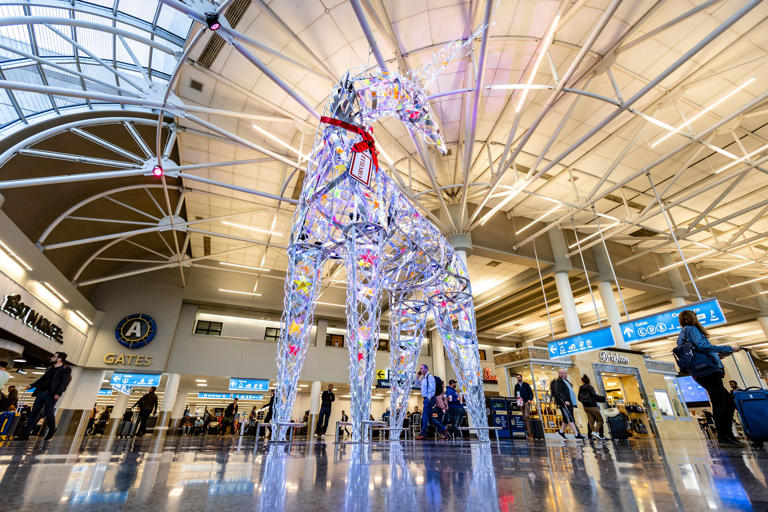
festive airports that go all out for the holidays

Smart Booking Strategies: Plan Your Trip To Dodge Airport Chaos

Beating airport chaos starts long before you touch your suitcase. The dates you choose, the airport you fly from, and even the route you pick all change how stressful your trip feels.

Longer stays that look like Plymouth Rock Travel packages are especially useful. When you add a couple of days before or after peak dates, you often get cheaper flights and quieter airports at the same time.

Choose smarter travel dates to save money and stress

A simple one or two day shift can drop your airfare and cut your stress in half.

Try moves like:

  • Flying Tuesday or Wednesday instead of Friday or Sunday
  • Leaving two to three days before the main school break starts
  • Returning on Christmas Day or New Year’s Day, instead of the next Sunday

These tweaks turn a “shoulder” day into your secret weapon. As crowds surge on peak days like Dec. 21 or the Sunday after Christmas, you might already be at the pool, or you are flying home on a much calmer date.

Plymouth Rock Travelers often save an additional 30-50% by staying a few extra days when flights are cheaper, and at the same time they skip the roughest airport days.

Why staying longer at your destination can beat peak travel days

Think of your trip like a see-saw. On one side you have flight cost and airport stress. On the other side you have extra hotel nights and a longer stay.

When you avoid peak travel days:

  • Airfare drops, sometimes by hundreds per person.
  • Parking at home or at the airport can cost less when you skip the busiest days.
  • You are less likely to miss work because you got stuck in a multi-day delay.

In many cases, the savings on flights cover most or all of those added hotel nights, especially when you tap into quick mini-vacation packages overview and member rates. Families and remote workers benefit even more, since they can often slide trips a couple of days without major pain.

It feels like a quiet “hack” smart travelers use every year.

Pick the right airport and route, not just the cheapest ticket

The cheapest ticket is not always your best friend during the holidays.

Think about:

  • Smaller or secondary airports. For example, flying into a smaller regional airport instead of a huge hub can mean shorter lines and calmer gates.
  • Nonstop flights. One long flight is usually safer than a tight connection through a busy winter hub.
  • Connection time. If you must connect, aim for at least 90 minutes on domestic routes and even more in bad-weather cities.

When you compare itineraries, picture what the day will feel like, not just what the fare looks like. A $40 cheaper ticket that sends you through two freezing hubs on the Friday after Christmas is sometimes a bad trade.

For bigger-picture planning ideas beyond the holidays, the broader 2025 travel trends and predictions page can spark ideas for when and where to go.

Seasonal Travel Guide: the Airport

Pack And Prepare Like A Pro: Make Security And Boarding Easier

How you pack and how you show up at the airport can shave big chunks of time off a very busy day.

Carry-on only: your best defense against lost bags and long lines

If you can handle it, carry-on only is king during peak season.

Benefits:

  • No waiting in long check-in lines.
  • No staring at an empty baggage carousel at midnight.
  • Faster rebooking if you miss a connection, since your bag is with you.

Simple carry-on tips:

  • Plan mix-and-match outfits. Choose a tight color palette so tops and bottoms work together.
  • Use packing cubes. They keep clothes tight and easy to pull out at security or in a small hotel room.
  • Wear your bulkiest items. Coats and boots on your body, not in your bag.
  • Know your airline’s size rules. A bag that fits at home but not in the sizer can be gate-checked at the worst moment.

If you must check bags, try one shared suitcase for the family instead of three separate ones. Fewer bags mean fewer chances something goes missing.

For more general packing and safety habits that apply year round, this essential travel tips checklist is worth a look.

TSA PreCheck, CLEAR, and security shortcuts that save your trip

Programs like TSA PreCheck are holiday lifesavers. With TSA PreCheck, most travelers enjoy:

  • Shorter security lines
  • Keeping shoes and light jackets on
  • Laptops and liquids staying in the bag in many lanes

The TSA’s own TSA PreCheck for families page explains how parents and kids can benefit together, which is especially helpful over winter break.

You need to enroll before your trip, so this is a “do it once, enjoy it for years” move. Frequent travelers often save 30 minutes or more in line on peak days. Over the course of a few trips, the time saved is huge.

CLEAR and airport-specific fast-track options also help at some locations, but if you start with one program, make it TSA PreCheck.

What to wear and bring to stay comfortable during long delays

Assume you will have at least one long wait somewhere on your trip. Then pack for that.

Good clothing choices:

  • Dress in layers so you can adjust to cold planes and warm terminals.
  • Wear soft, broken-in shoes, not brand-new boots.
  • Use a hands-free bag like a backpack or crossbody so you keep your hands free for kids, coffee, and your phone.

Key items for your personal item:

  • Snacks you actually like and that do not melt easily
  • An empty water bottle to fill after security
  • Phone charger and small power bank
  • Headphones or earplugs
  • Basic medicine, like pain relievers and any daily prescriptions
  • A spare shirt, underwear, and small toiletries in case you get stranded overnight

A bit of prep turns a stressful delay into a long but manageable pause.

what to expect at airports this holiday season

Use Your Phone As Your Co-Pilot: Apps And Alerts That Beat Airport Chaos

Your phone can warn you about delays, help you switch flights, and keep you fed and charged. Use it well and your trip feels more in your control.

Download your airline app before you leave home

Airline apps are not optional anymore. They are your main control center.

Before your trip:

  1. Install your airline’s app on every traveler’s phone.
  2. Create or log in to your account.
  3. Add your booking so it shows in “My Trips.”
  4. Turn on push notifications.
  5. Download your boarding pass into your phone wallet.

With that done, you can:

  • Get real-time alerts about delays and gate changes.
  • Rebook yourself when a flight is canceled, often without waiting in line.
  • Track bags on some airlines.

You can also pair airline apps with specialty tools like Flighty, which offers delay alerts faster than airlines, or use guides like this roundup of best tech tools to track flight delays if you fly often.

Use airport and travel apps to check lines, maps, and food options

Many large airports have their own apps. General travel apps also show:

  • Live or estimated TSA wait times
  • Terminal maps and walking paths
  • Lounges, kids’ areas, and pet relief zones
  • Food options near your gate

On a peak holiday morning, choosing a different security checkpoint or knowing the fastest route between concourses can save 20 minutes and a lot of stress.

This is especially useful in giant hubs like ATL and DFW, where a poor choice of checkpoint can turn into a 40 minute mistake.

Stay charged, connected, and ready for sudden changes

Treat power like another form of travel insurance.

  • Charge every device fully before you leave home.
  • Pack at least one small power bank.
  • Bring your own cables for every device.
  • Download key content offline in case Wi-Fi fails.

You may need your phone to handle last-minute gate changes, hotel changes, rideshare pickups, and insurance claims. Staying online is not just about scrolling social media. It is your lifeline when the schedule shifts.

Busiest U.S. Airports Over The Holidays

Stay Calm When Things Go Wrong: Delay And Cancellation Survival Skills

Even with perfect planning, winter storms and system issues can mess up your plans. What matters most is how fast and how calmly you respond.

What to do the minute your flight is delayed or canceled

When a delay or cancellation hits, move quickly but stay polite.

  1. Open your airline app and look for new flight options.
  2. Get in line for a gate or customer service agent, but keep working the app at the same time.
  3. Try the airline’s chat or phone support while you wait in line.
  4. Look at nearby airports and early next-morning flights if same-day options are gone.

If the disruption is large, airlines may offer meal vouchers or hotel discounts. It never hurts to ask nicely what help is available.

Build a backup plan before you leave for the airport

You will feel calmer if you already know your Plan B and Plan C.

Before your trip:

  • Check the next two or three flights to your destination, and note their times.
  • See if there are reasonable train, bus, or rental car options as a backup.
  • Save a short list of hotels near your main airport in case you get stuck overnight.
  • Decide how your group will handle a major delay so you avoid tense arguments at the gate.

For pricier holiday trips or multigenerational travel, pairing these habits with benefits of a travel membership and good travel insurance can protect both your budget and your nerves.

Protect your mood: staying patient, kind, and sane in crowds

Holiday travel already comes with emotion. Add crowds and delays and tempers can flare fast.

Simple habits help:

  • Eat before you get very hungry, since “hangry” travel is rough.
  • Drink water, not just coffee and soda.
  • Preload shows, music, or simple games for kids and adults.
  • Take short walks in the terminal to move your body.
  • Use easy breathing exercises, like counting to four on each inhale and exhale.

Remember that gate agents and flight crews are dealing with the same chaos from the other side of the counter. A calm, kind traveler is more likely to get extra help than someone who is yelling.

Conclusion

Holiday airport chaos is real, but it does not have to define your trip. When you plan your dates carefully, choose early morning flights, pack light, and use tools like TSA PreCheck and airline apps, you cut through much of the noise.

Build in extra days where you can, especially around the highest-pressure Mondays and Fridays near Christmas and New Year’s. Longer Plymouth Rock Travel stays before or after peak dates often unlock 30-50% savings and let you travel on quieter days, so you land rested instead of wiped out.

Most of all, give yourself time, stay flexible, and treat your phone and your prep as partners. With the right setup, even record-breaking holiday crowds become something you handle, not something that ruins your trip.

Travel Insights & Inspiration

Expert advice, destination guides, and travel tips to help you plan unforgettable journeys.

Tropical beach cove with calm blue water, palm trees, and families enjoying the shoreline

Best for Families, Travel Tips & Planning

26 Mar 2026

The Best U.S. Destinations for Multigenerational Family Trips

National Parks in Spring: Where to Go Before Summer Crowds Hit Spring in the national parks feels like you showed up early to a concert and got the best spot. From March through May, you'll often get cooler temperatures, stronger waterfalls fed by snowmelt, and the first big push of wildflowers, all before summer traffic and full parking lots become the norm. That said, spring can change fast. Higher trails can still hold snow, forest parks can swing from sun to downpour, and deserts can feel mild at breakfast but hot by mid-afternoon. A little flexibility matters. This guide shares six U.S. national parks that shine in spring, what to do in each, and how to plan around crowds. You'll also find guided tour ideas (helpful for permits and confidence on busy trails) and a practical packing list. One money tip up front: book nearby hotels early, because spring weekends fill quickly. If you like the idea of discounted stays near popular parks, Plymouth Rock Travel Partners (PRTP) is a membership option that can help you find lower rates without turning the trip into a complicated project. 6 national parks that look their best in spring (before peak season) Spring is when these parks feel awake but not overwhelmed. Aim for weekdays when you can, and plan your biggest hike early in the day. Zion National Park, Utah: spring waterfalls, canyon views, and cooler hiking days Best spring window: March to May (often feels like 50 to 70°F in the canyon, warmer by late May). Zion's hanging gardens and seeps tend to look their best in early spring, especially after winter moisture and early snowmelt. You'll also hike more comfortably before summer heat bakes the slickrock. For can't-miss stops, keep it simple: Riverside Walk is an easy, scenic stroll beside the Virgin River, and the Emerald Pools trails are a classic for spring greenery and seasonal water. If you're chasing bigger views, hike up to Canyon Overlook for a short, steep payoff. Crowd tip: Zion's canyon shuttle season typically starts in early March, so park once, ride the shuttle, and start before mid-morning. If Angels Landing is on your list, remember the permit requirement for hiking past Scout Lookout. If you're choosing between spring park options, this roundup of best national parks to visit in May is a helpful cross-check for weather and timing. Great Smoky Mountains, TN/NC: wildflower season plus classic waterfall hikes Best spring window: April to May, with wildflowers often strongest mid-April to mid-May. The Smokies do spring in layers, from early blooms in low valleys to later color at higher elevations. Waterfalls stay lively thanks to rain and lingering mountain snowmelt, although storms can raise stream levels quickly. For easy to moderate hikes, start with Laurel Falls (one of the most popular, and for good reason). For a more rugged feel, Abrams Falls brings a stronger, wilder sound and a satisfying finish. If you want wildlife and open views without a long hike, drive the Cades Cove Loop and pull off for short walks. Crowd tip: May can still feel calmer than summer, especially before Memorial Day. Go early or mid-week in Cades Cove, because traffic jams are common once the day gets rolling. Cuyahoga Valley, Ohio: a quieter spring trip with big waterfalls and easy trails Best spring window: Late April to May. Cuyahoga Valley is an easy win for spring, especially if you want waterfalls and green trails without the pressure of a "big trip" vibe. In wetter springs, the park's falls can run strong, and the valley starts popping with early wildflowers. Don't miss Brandywine Falls, where a boardwalk and viewpoints make it accessible for most visitors. Pair it with Blue Hen Falls for a short hike that feels tucked away. For a low-effort, high-reward day, use the Towpath Trail for biking or a relaxed out-and-back walk. Crowd tip: visit waterfall areas on weekday mornings, then shift to Towpath Trail in the afternoon. It spreads people out, and parking is usually easier. If anyone in your group prefers overlooks and short walks over longer hikes, this list of national parks for non-hikers can help you set expectations and pick stops everyone enjoys. Redwood National and State Parks, California: misty trails, fresh green forests, and Fern Canyon flow Best spring window: April to May, with mild days around 50 to 65°F and frequent rain. Redwood country looks freshly washed in spring. The air smells like damp earth and bay leaves, and creeks stay lively from winter storms. You'll trade desert dust for mossy trunks and soft fog. Start with Fern Canyon, especially when seasonal flow is up and the walls drip with greenery. Add a drive on Howland Hill Road for classic redwood scenery (check conditions first, because it can be rough and muddy). For an easier forest walk, pick a short loop in the Lady Bird Johnson Grove area. Crowd tip: aim for a mid-week afternoon in Fern Canyon when day-trippers thin out. Also, watch your footing, because spring mud and slick boards can turn a simple walk into a slip hazard. Death Valley, CA/NV: March desert blooms before the heat turns serious Best spring window: March (often 60 to 80°F), before April and May heat ramps up. Death Valley in spring can feel like a different planet, especially in the soft morning light. Wildflowers depend on winter rain and can be spotty in drier years, so check park updates before you drive in expecting fields of color. For a reliable spring highlight, Darwin Falls (outside the main valley) is a greener contrast to the usual palette. Inside the park, Badwater Basin is an easy stop for salt-flat views and quick photos. If you want a classic viewpoint without a long hike, time Zabriskie Point for early or late light. Crowd tip: avoid midday hiking, even in spring. Start early, carry extra water, and plan your longer walks for cooler hours, because temperatures can swing fast. Joshua Tree, California: boulders, desert flowers, and comfortable daytime temps Best spring window: March to April, with peak blooms often late March to mid-April (typical days around 60 to 75°F, warmer later). Joshua Tree's spring magic is the mix of mild air, clean light, and small surprises, like fresh blooms tucked into sandy washes. Even a short visit can feel full, because many highlights sit close to the road. For quick, satisfying stops, hit Keys View for a broad panorama and Skull Rock for an easy walk with big payoff. After rains, Barker Dam can hold seasonal water, which changes the feel of the entire loop and draws birds in. Crowd tip: weekends can be busy even in spring. Go for sunrise or sunset, then take a long lunch break when parking lots clog up. Simple spring trip planning that helps you beat the crowds Spring trips work best when you plan like you're packing for two seasons, because you are. First, pick shoulder weekdays if your schedule allows it. Tuesday through Thursday often feels calmer, even in popular parks. Next, start early. A 7:00 a.m. trailhead arrival can feel like a cheat code, because you get cooler temps and easier parking. Keep your itinerary realistic. Choose one anchor hike per day, then add one flexible backup that's shorter or lower elevation. That way, if snowmelt makes a trail muddy or rain rolls in, you still have a great plan. If you're fitting a park into a long weekend, this guide to 4-day national park getaways can help you think in simple, doable blocks of time. Also, watch for permits and timed systems. A quick checklist helps: Permits: for example, Angels Landing in Zion requires a permit to go past Scout Lookout. Shuttles: some parks shift to shuttle-only access in peak areas in spring. Road status: spring storms or repairs can close scenic drives. Spring isn't "bad weather," it's fast weather. Build in one flexible afternoon, and your whole trip feels easier. Finally, lock lodging early, especially near gateway towns. Staying outside park gates often saves money and driving stress. PRTP can also help you book nearby accommodations at wholesale rates, often 40 to 60% off retail, with free sign up and no hidden fees. If you've ever compared travel clubs to old-school vacation ownership, this overview of travel memberships vs timeshares explains the differences in plain English. Guided tours and outdoor excursions that make spring visits easier Guided trips aren't only for beginners. In spring, a good guide can save you from wrong turns, wet-foot surprises, and permit confusion. You also get context, like how snowmelt shapes canyon ecosystems or where wildflowers tend to pop first after a rain. Zion is a great place to consider a guided day hike, because the park mixes crowds, exposure, and shuttle logistics. Wildland Trekking offers guided day hikes, and some local operators (including All Ways Adventure, with guided hikes starting around $299+) focus on small-group experiences. If you prefer a marketplace where you can compare dates, durations, and reviews in one place, browse Zion hiking tours on Viator and filter by fitness level and cancellation terms. In other parks, look for tours that match the season: In the Smokies, ranger-led programs and naturalist walks are great for spring wildflowers. Near Cuyahoga Valley, bike rentals and shuttle options can make the Towpath Trail easier. In Redwood country, small-group hikes help with trail conditions and timing tides and rain. Questions to ask before you book: Group size: smaller groups usually move faster and feel less crowded. Gear provided: ask about trekking poles, traction, or rain gear if conditions look wet. Cancellation policy: spring forecasts change quickly. Fitness fit: confirm elevation gain, surface type, and any water crossings. What to pack for spring national park trips (waterfalls, wildflowers, changing weather) Spring packing is about layers and keeping your feet happy. You don't need fancy gear, but you do need gear that works when trails turn wet or temperatures jump. Clothing (layers that adapt) Light base layer (synthetic or wool), plus a mid-layer fleece Waterproof rain jacket and rain pants Wool or synthetic hiking socks (pack an extra pair) Hat and light gloves for cool mornings Gear (comfort and traction) 20 to 30L daypack with a rain cover or liner Waterproof hiking boots or trail shoes with grip Trekking poles for slick paths and creek edges Headlamp (because sunsets and trail delays happen) Power bank and charging cable Safety and skin protection Sunscreen and lip balm (yes, even in spring) Bug repellent (picaridin works well) Simple first-aid kit and blister care Plenty of water, plus electrolytes for desert parks Affiliate-ready suggestions: search Amazon for Columbia Pouring Adventure II (rain jacket), Outdoor Ventures rain pants, Merrell Moab hiking shoes, Sawyer Picaridin insect repellent, Black Diamond trekking poles, Darn Tough socks, and Adventure Medical Kits first-aid kits. Two quick park-specific callouts: for Death Valley and Joshua Tree, bring more water capacity than you think you'll need and plan for strong sun. For Redwood and waterfall trails, prioritize rain protection and grippy soles. Test your gear at home, then pack out every scrap of trash you bring in. Conclusion Spring is the sweet spot for national parks in spring travel. Waterfalls run stronger, wildflowers show off, and temperatures stay friendlier than midsummer. Better yet, you can still find quiet trails if you go before peak season and aim for weekdays with early starts. Pick your park based on the experience you want: Zion for canyon views, the Smokies for wildflowers, Cuyahoga for easy waterfalls, Redwood for misty forests, or the California deserts for blooms and big skies. If you want more confidence on busy or exposed trails, a guided hike can be money well spent. Book lodging early, too, because spring weekends disappear quickly. PRTP is one simple way to find discounted nearby accommodations at wholesale rates (often 40 to 60% off retail), with free sign up and no hidden fees.

Adventure & Outdoor Travel, Best for Adventure Seekers, Best for Nature Enthusiasts, Travel Tips & Planning

24 Mar 2026

National Parks in Spring: Where to Go Before Summer Crowds Hit

25 Travel Mistakes That Are Costing You Hundreds Ever come home from a trip wondering how the total got so high? Most of the time, it's not one big splurge. It's small choices that quietly stack up, like fees, timing, and "cheap" options that aren't cheap once you add the extras. In early 2026, airfare has been trending up year over year, while hotels have eased a bit. That mix makes it even easier to overpay if you don't watch the details. Here's a practical list of 25 common travel mistakes that can cost you hundreds, plus quick fixes you can use right away. It's organized by where the money leaks usually happen: booking, lodging, getting around, eating, and money and phone basics. To set the stage, these recent cost snapshots show why little leaks matter: Expense area (US travel) Recent signal (early 2026) Why it matters Airfare Up 2.2% year over year Timing mistakes hurt more Hotels Down 3.2% year over year Better deals exist if you shop rates Food $35 to $70 per day "Small" upgrades add up fast Before you book: pricing traps that make flights and plans cost more 1) Booking too late, or too early, without checking patterns Buying last minute because you hope prices drop can backfire. It's common to pay $75 to $250 more per ticket, especially on popular routes or weekends. Fix: start watching 4 to 10 weeks out for many domestic trips, then track prices for 1 to 2 weeks before you buy. Flexible dates help, even shifting by a day. 2) Skipping price alerts and deal tracking tools Checking once and purchasing "just to be done" often means you miss a normal dip. That can cost $40 to $150 per traveler. Fix: set alerts on at least two tools and watch nearby dates. Today's trackers are better at forecasting drops, but always verify the total price at checkout (bags and seats change everything). For context on rare ultra-cheap fares, see how mistake fares work. 3) Choosing the cheapest flight without adding up the real total That "$179" fare can turn into $310 once you add a seat, a carry-on, and a checked bag. The extra can easily hit $60 to $200 per person. Fix: price the trip like a receipt. Add seat selection, baggage, and change fees before you commit. If a standard airline is $30 more but includes more, it may win. 4) Flying into the wrong airport for your real destination Saving $40 on airfare feels smart until you pay $80 to $150 in trains, tolls, or rideshares. Late-night arrivals can force pricier transfers too. Fix: compare true door-to-door cost and travel time. Include at least one "what if" scenario, like landing late or missing the last train. 5) Locking in peak dates without checking shoulder season options Peak weeks can inflate flights, hotels, and even car rentals. A weekend-heavy schedule can add $150 to $400+ for the same trip. Fix: shift by two days, fly midweek, or aim for shoulder season. Even a Monday to Thursday swap can save a lot. If you want a broader view of date flexibility trends, skim this 2026 roundup on flexible travel budgeting ideas. 6) Forgetting to budget for trip protection when your costs are nonrefundable Skipping coverage can be fine, until it isn't. If you get sick or a family issue hits, you could lose $200 to $1,000+ in prepaid costs. Fix: consider protection when you can't cancel, when medical costs could be high, or when your itinerary has expensive connections. Compare policies carefully and read exclusions. Don't buy coverage that doesn't match your real risks. 7) Building an itinerary with connections that are too tight A tight connection is like planning to sprint through an airport with your budget on your back. One delay can trigger rebooking fees, a surprise hotel night, and lost tour deposits, often $150 to $600 total. Fix: choose safer connection times, book earlier flights when possible, and keep a backup plan (later flight options, flexible ground transport, and refundable activities). Where most people lose the most: lodging mistakes that add hundreds fast Big savings often come from booking the right rate, not just picking a cheaper hotel. Two rooms that look similar can have very different real totals once you add fees, taxes, and daily add-ons. 8) Overpaying for lodging because you only compare retail sites If you only check one major booking site, you might pay retail without realizing it. That can cost $30 to $150 more per night, depending on the market. Fix: compare the total price across sources, then look for member or wholesale rates. For example, Plymouth Rock Travel Partners offers access to wholesale hotel pricing and claims up to 40 to 60% off retail at many 4 and 5-star hotels and resorts worldwide (as a claim, not a guarantee). 9) Missing resort fees, destination fees, parking, and surprise taxes A low nightly rate can hide expensive add-ons. Parking, Wi-Fi, and destination charges can turn a "deal" into a drain, sometimes adding 10% to 25% to the stay. Fix: scan the listing for recurring fees and calculate the real per-night total (room + all mandatory fees + taxes). For more on travel "junk fees," see TripIt's guide to avoiding junk fees on trips. If you can't explain the full nightly total in one sentence, you don't know the price yet. 10) Booking a "nonrefundable" rate when your plans are not locked in Saving $20 per night looks good, until a schedule change wipes out the whole booking. This mistake can cost $200 to $600 fast. Fix: if there's any chance you'll adjust dates, choose refundable, or use free cancellation windows. Set a calendar reminder to recheck prices, because refundable rates sometimes drop later. 11) Picking a hotel far from where you will actually spend time A cheaper hotel can become a daily transport bill. Two rideshares per day at $18 each can add $250+ in a week, plus you lose time. Fix: do a simple map test. Pin where you'll spend most hours, then check walk time and transit options. If you'll commute twice daily, price the commute like it's part of your hotel bill. 12) Not using credits, perks, or member deals you already have access to People forget their own benefits, like card perks, status matches, or member discounts. The missed value can be $25 to $150 per stay (or more with upgrades). Fix: before you book, check your memberships and card benefits. Also look for promo codes tied to your employer, warehouse clubs, or associations, and stack deals when the rules allow it. 13) Forgetting to compare "per person" costs for families and groups Two standard rooms can cost more than a suite, apartment, or connecting rooms, especially after taxes. The difference is often $50 to $300+ across a trip. Fix: compare the full total for the whole group, not the nightly rate. Add breakfast, parking, and kitchen access into the math, because those change the real cost quickly. 14) Paying for breakfast every day when a simple plan is cheaper A $18 to $30 breakfast per person becomes a budget bully by day three. For two adults, that's $250 to $400 over a week. Fix: only pay for hotel breakfast when it truly pencils out. Otherwise, plan one grocery run for yogurt, fruit, and easy breakfasts, then treat yourself to a local brunch once or twice. Getting around without overpaying: transport, bags, and timing mistakes 15) Overpacking and paying checked bag or overweight fees Overpacking is basically agreeing to pay extra twice, on the way there and on the way back. Fees can run $70 to $250 total per traveler if you check bags both directions or hit overweight limits. Fix: pack a capsule wardrobe, plan to do one load of laundry mid-trip, and weigh bags at home. If you want to reduce hassle, consider a small luggage scale or packing cubes. 16) Not reading the baggage rules for your exact airline and fare type Many travelers assume a carry-on is included, then get charged at the gate. That mistake can cost $30 to $150 depending on the fare. Fix: read your confirmation details, check size limits, and measure your bag. When you do need checked luggage, prepay online if it's cheaper. Baggage fees change often, and they've been rising again across airlines, as reported in this 2026 bag fee consumer alert. 17) Using airport taxis or last-minute rides for every transfer Airport ground transport is full of premium pricing. Two round-trip transfers can cost $80 to $200+, especially in bigger cities. Fix: research the best option before you land (train, bus, shuttle, rideshare pickup zones). Save directions offline and confirm late-night schedules so you don't get forced into the priciest choice. 18) Renting a car without a full cost check The daily rate can look cheap while the true total balloons with insurance add-ons, fuel, tolls, parking, and deposits. This can add $200 to $600 to a week-long trip. Fix: compare the full receipt cost, not the headline rate. Also check what your personal auto policy or credit card might cover before you buy add-ons at the counter. 19) Ignoring public transit passes and walking-friendly planning Paying per ride, plus short rideshares, is like paying retail for every mile. The difference can be $20 to $120 over a few days. Fix: look at day passes or multi-day passes, then plan your days by neighborhood. Less backtracking means fewer "quick rides" that quietly drain your budget. 20) Booking tours and attractions at the worst time and paying surge prices Same-day tickets and peak entry times often cost more, or they sell out and force you onto resellers. The overpay is often $20 to $150 for popular activities. Fix: book timed entry early when required, visit early morning, and compare the official site against resellers. If the official option sells out, consider changing the day instead of paying a premium. Spending leaks on the ground: food, money, phone, and safety mistakes 21) Eating in tourist traps and paying double for the same meal Restaurants right next to major sights often charge more because they can. That can add $15 to $40 per person per day, especially if you order drinks. Fix: walk 5 to 15 minutes away from the main crowd, then check menus for clear pricing. Watch beverages, because cocktails, bottled water, and add-on juices can quietly become the biggest line item. 22) Using the wrong cards and paying foreign transaction fees A 3% foreign transaction fee doesn't sound scary until it hits every purchase. Spend $3,000 on a trip and you've donated $90 for nothing. Fix: use a no-foreign-fee card, choose to pay in local currency when prompted, and carry a backup card in a separate spot. When the terminal asks, pick local currency. Dynamic currency conversion often bakes in a worse rate. 23) Exchanging cash at the airport without comparing rates Airport exchange kiosks can be convenient, but convenience is expensive. Bad rates and fees can shave 5% to 12% off your money. Fix: use reputable ATMs when you arrive, withdraw less often in smart amounts, and track fees. Travel money apps can help you monitor rates, but keep your approach simple and consistent. 24) Paying for roaming data instead of using an eSIM or local plan Roaming charges can snowball, especially when apps run in the background. A few days of heavy use can cost $50 to $200+ depending on your plan. Fix: install an eSIM before you go if your phone supports it, download offline maps, and turn off background data for high-use apps (social, video, photo backups). Also use Wi-Fi thoughtfully, not automatically. 25) Skipping simple security steps, then paying to fix the damage One lost wallet or stolen card can trigger replacement fees, emergency cash costs, and hours of wasted time. The damage can easily hit $100 to $2,000 in ripple effects. Fix: turn on card alerts, keep photos of documents, and use secure connections for sensitive logins. If you want extra peace of mind, consider a Bluetooth tracker for bags and a slim wallet that's harder to misplace. Here's a short checklist you can screenshot before your next trip: Set flight and hotel price alerts Calculate total costs (fees, bags, transport) before booking Avoid nonrefundable rates unless plans are locked Pack light and confirm baggage rules for your fare Use no-foreign-fee cards and avoid airport cash exchange Conclusion Travel gets expensive when small leaks pile up, not just when you book something "fancy." If you want a quick win, pick three fixes for your next trip, like setting alerts, doing total-cost math, packing lighter, and checking hotel fees before you click book. Lodging is often the biggest lever, so it's worth comparing rates beyond the usual retail sites. If you want a simple place to start, consider the Plymouth Rock $100 travel savings credit and then build the habit of checking your real nightly total every time. Save this post, copy the checklist, and make it part of your pre-trip routine. Your future self will thank you at checkout.

Travel Tips & Planning

28 Mar 2026

25 Travel Mistakes That Are Costing You Hundreds

Families watching the Bellagio fountain show in front of the Bellagio Hotel in Las Vegas

Best for Families, Las Vegas

23 Mar 2026

Las Vegas for Families: Yes, It’s Actually a Thing

Universal Orlando globe and lagoon with sightseeing boats on a sunny day in Orlando

Budget Travel, Orlando, FL

19 Mar 2026

How Much Does a Trip to Orlando Really Cost? (Full Budget Breakdown)

Winter travel essentials for staying warm and comfortable while traveling in cold weather

How-To Guides

23 Jan 2026

How to Stay Comfortable While Traveling in Cold Weather

Travel Insights & Inspiration

Expert advice, destination guides, and travel tips to help you plan unforgettable journeys.

New Customers: Book Your First Vacation With Us & GET 50% OFF!