Why Slow Travel Isn’t Just a Trend

Some destinations are designed for rushing. These aren’t. Discover places that naturally slow you down, helping you relax, reset, and enjoy travel again.

Table of Contents

Share this Article:
Person sitting quietly on a dock overlooking a calm mountain lake, representing slow and intentional travel

Ready for Your Next Getaway?

Search live resort availability, compare destinations, and start planning in minutes.

Picture of Plymouth Rock Travel Partners

Plymouth Rock Travel Partners

A world beyond the ordinary. We turn your travel dreams into unforgettable adventures.

You know that post-trip feeling when you unpack, scroll your photos, and realize you barely remember the places you “saw”? Fast travel can look great on a calendar, three cities in seven days, early tours, late dinners, constant check-ins, but it often ends with the same punchline: you come home tired.

Slow travel flips that script in one simple sentence: fewer places, longer stays, deeper days.

This isn’t a social media phase. It’s a mindset shift that’s sticking because it matches what people want right now: less stress, better value, and experiences that feel real. It also gets a lot easier when your lodging is built for longer stays, like condo-style resorts with kitchens, laundry, and space to breathe.

Below are the three reasons slow travel keeps growing in 2026: how people feel on the trip, how budgets actually work, and how the experience changes when you stop rushing.

The Undeniable Benefits of Slow Travel

Slow travel explained, what it is and what it is not

Slow travel is practical. It’s not about “being a certain type of traveler,” it’s about changing the math of your trip so your days feel like days, not logistics.

At its core, slow travel means you pick a home base (or two), stay longer, and build your days around the place instead of around a checklist. The idea overlaps with “slow tourism,” which many destination planners describe as a response to crowded, high-impact travel, with a stronger focus on place and community.

What slow travel looks like in real life:

  • You wake up without an alarm.
  • You walk to a market, then back to your place to drop things off.
  • You spend two hours at a beach you didn’t need to “book.”
  • You eat at the same cafe twice because it’s good.
  • You do one planned thing, then let the day happen.

What rushed travel often looks like:

  • Pack, check out, drive or fly, check in.
  • Stand in lines, eat wherever is fastest.
  • Repeat, while feeling like you’re behind schedule.

A good slow travel day doesn’t look empty. It looks human.

The simple rule, fewer stops, longer stays, more real days

If you want a framework you’ll actually remember, use this:

Choose 1 to 2 home bases, stay 7 to 30-plus nights, do less per day.

That might sound like “only for people with lots of time,” but pace matters more than length. Slow travel works on a long weekend too if you stop trying to squeeze a whole region into 48 hours.

Try this for a 3-day trip:

  • Pick one neighborhood or one small town.
  • Plan one anchor activity per day (museum, hike, food tour).
  • Leave the rest open for wandering, naps, and “we stumbled into this” moments.

It’s the same idea, just scaled down.

Slow travel is not doing nothing, it is traveling with intention

The biggest fear people have is boredom. But slow travel isn’t about sitting in a room all day. It’s about trading friction for depth.

Instead of spending your energy on lines, transfers, parking, and re-packing, you spend it on things that feel good:

Small routines: morning bakery run, sunset walk, a gym class where nobody speaks your language (yet).
Local learning: cooking classes, pottery workshops, winery tours, farm visits.
Easy day trips: trains and buses out and back, no suitcase involved.
Repeat favorites: returning to the same cafe, the same swim spot, the same market stall.

If fast travel is a highlight reel, slow travel is the full episode.

Slow Travel: Redefine Tourism

Why slow travel is not a trend, it fits how people want to travel in 2026

Trends come and go because they’re built on novelty. Slow travel is growing because it solves problems that keep getting louder: crowding, cost stress, and travel burnout.

Travel media has been tracking this shift into 2026, with a stronger pull toward calmer trips, off-peak timing, and trips that feel restorative instead of exhausting.

And the “why” is simple: people don’t want their vacation to feel like work.

People are tired of coming home tired

Travel burnout isn’t mysterious. It’s what happens when every hour is scheduled and every day starts with a new set of decisions.

Recent travel sentiment points the same direction: rest is winning. In the latest 2026-focused reporting pulled into current travel trend summaries, 57% of people say rest is the top reason they travel (ahead of adventure or nightlife). When rest is the goal, constant movement stops making sense.

Slow travel cuts the stress in obvious ways:

  • Fewer packing days
  • Fewer check-ins and check-outs
  • Less time stuck in transit
  • Familiar routines that calm your brain

A quick before-and-after snapshot makes it clear:

Fast travel: 4 hotels in 8 nights, two flights, a rental car swap, daily route planning.
Slow travel: 1 place for 8 nights, one grocery run, one transit pass, and plans that fit your energy.

When you stay put, you don’t “lose time.” You get it back.

Crowds and peak season prices push travelers to slow down

Overcrowding has moved from “annoying” to “trip-changing.” Current travel trend reporting also shows a meaningful share of travelers adjust plans to avoid crowd stress, including shifting to shoulder seasons and quieter areas.

That’s where slow travel quietly shines. If you stay longer, you can:

  • Travel in spring or fall when prices often soften
  • Explore early mornings and weekdays when day-trippers aren’t there
  • Spend time in smaller neighborhoods instead of only the famous center

It also fits the rising interest in tourism that’s more considerate of local communities. Booking.com’s 2025 research highlights growing awareness of travel’s impact on residents and destinations. Slow travel naturally aligns with that mindset because it spreads your time and spending in a more grounded way.
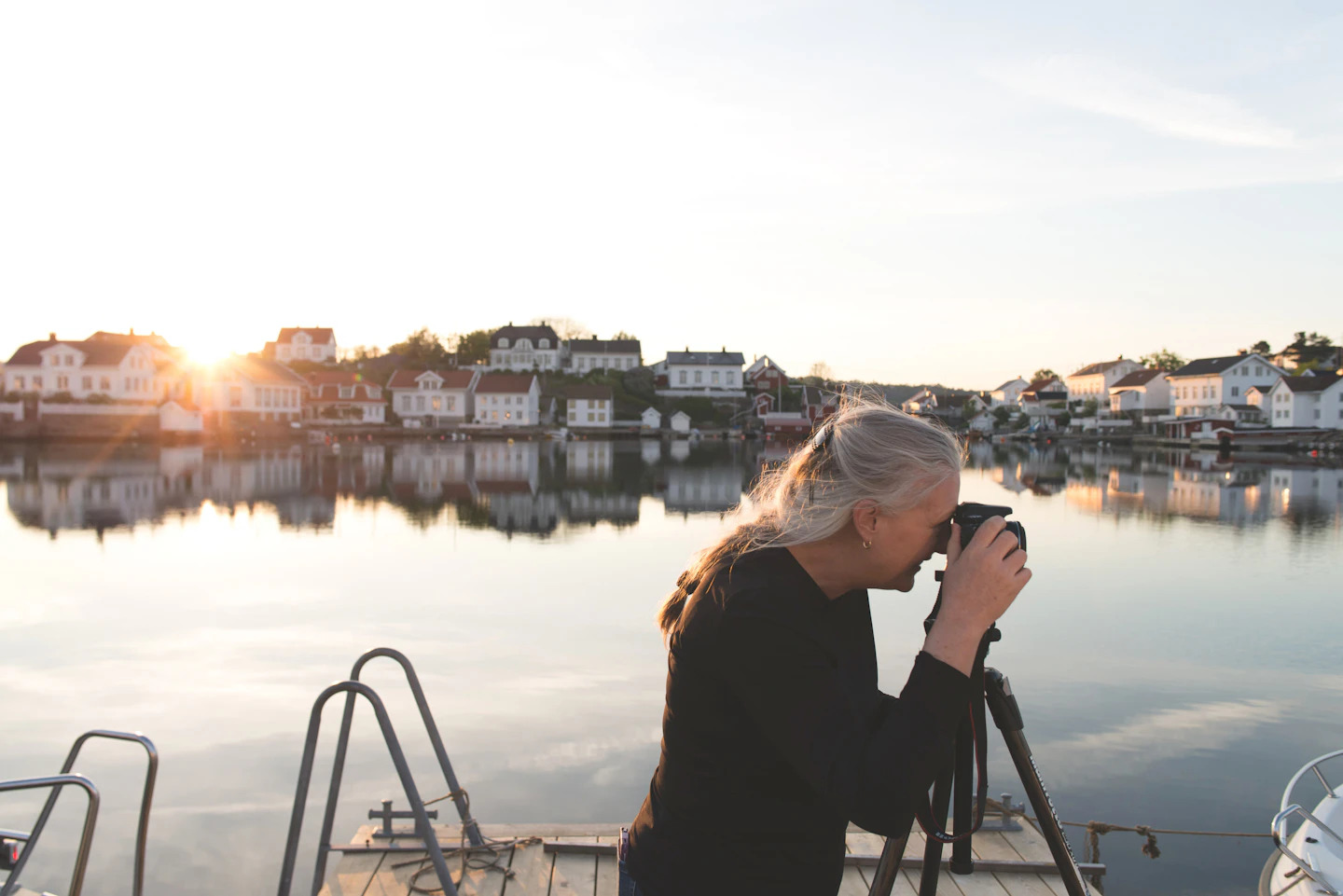
5 Benefits of Slow Travel

The real benefits of slow travel, better trips, better budgets, better memories

Slow travel isn’t just “nice in theory.” It changes what your trip costs, how it feels, and what you remember when you’re home.

Think of it like cooking. A quick microwave meal fills you up, but you don’t talk about it later. A slow meal has texture, smell, stories, and leftovers you’re glad to have.

Here’s what changes when you stay longer.

You spend less on transit and more on the trip itself

Every move costs money and energy: trains, taxis, rental cars, baggage fees, parking, one-night hotel rates, and the “we’re too tired to find a good place, let’s just order delivery” dinners.

With slow travel, you usually have:

  • Fewer flights or long drives
  • Fewer paid transfer days
  • Fewer one-night stays (often the least flexible, highest hassle nights)
  • More chances to cook simple meals and pack snacks

You don’t have to turn into a budget traveler to feel the difference. Even cooking breakfast at “home” for a week can reduce the daily spend that sneaks up in tourist zones.

If you also care about travel footprint, slower itineraries can reduce emissions by cutting down on frequent transport legs. CarbonClick breaks down how fewer flights and more efficient routing can lower climate impact.

You get the experiences that rushed travel misses

Some experiences only show up when you stop sprinting.

In a longer stay, you learn the shortcuts. You stop checking maps every five minutes. You start noticing small things: when the bakery sells out, which park bench catches the sunset, which museum is quiet on weekday afternoons.

A simple planning tip that works almost anywhere:

Plan one main thing per day, then leave space.

That space is where the best parts hide: a neighborhood festival you didn’t know existed, a shop owner who tells you what to order, a beach that locals use because it’s not tagged in every guide.

Slow travel turns “seeing places” into “knowing places.”

Slow Travel and Why You Should Consider It​

Why condo-style resorts make slow travel easier and more comfortable

Slow travel is a mindset, but lodging can either support it or fight it.

A standard hotel room works for a night or two. For a week or a month, the same setup can feel tight and expensive. Longer stays need a different kind of comfort, not luxury, just the basics that make life easier.

Condo-style resorts fit slow travel because they’re designed for living, not just sleeping.

The longer you stay, the more comfort matters, kitchens, laundry, and space

When your trip is longer, the little things matter more than the lobby.

Condo-style stays often include what slow travelers end up craving:

A kitchen: Make breakfast, pack lunches, keep drinks cold, eat in when you want a quiet night.
Laundry: Re-wear favorites, travel with fewer bags, reset mid-trip without hunting for a laundromat.
Separate space: A living area for downtime, separate bedrooms for families, room to work if you’re remote.
Routine-friendly living: Grocery runs, morning coffee “at home,” and a place to spread out.

This helps almost every type of traveler: families who need snacks on hand, couples who want calm evenings, remote workers mixing work and vacation, and multigenerational groups who need personal space.

It also matches what’s happening in stay patterns. Recent 2026 travel reporting shows short-term rentals average longer stays than hotels (about 6.2 nights vs. 5.5), and many guests blend work and vacation. That’s slow travel in practice, even when people don’t call it that.

How Plymouth Rock Travel supports extended stays, 40 to 60% off retail

Slow travel can get expensive if you pay peak nightly hotel rates, especially if your trip runs two weeks or more. That’s where pricing structure matters as much as destination choice.

Plymouth Rock Travel supports extended stays with condo-style resort pricing at 40 to 60% off retail, which can make longer trips realistic without treating every night like a splurge. It also pairs well with the practical savings slow travelers tend to value, like reducing the daily costs that come with traditional hotels (for example, eating out for every meal because you don’t have a kitchen).

If you’re comparing travel models, this overview of how travel memberships offer choice and lower risk than traditional timeshares can help you understand why more travelers want flexibility for longer stays.

And if you’ve ever looked at ownership-style vacation costs and wondered why they feel unpredictable, it’s worth seeing how annual fees can add up over time, as outlined in this breakdown of 2025 timeshare maintenance fees.

The bottom line is straightforward: if you want to travel slower, it helps to stay somewhere built for living.

Conclusion

Slow travel isn’t a trend because it solves real problems: stress, crowds, and the cost of constant movement. It also creates better days, the kind where you remember the smell of the market and the feel of the street at night, not just the inside of a taxi.

On your next trip, try one small change: pick one destination, stay longer, and plan less. If you want that slower pace to feel comfortable and affordable, consider a condo-style resort setup that supports real-life routines, especially when extended-stay pricing can stretch your budget without shrinking your experience.

Travel Insights & Inspiration

Expert advice, destination guides, and travel tips to help you plan unforgettable journeys.

Luxury beachfront pool at a Mexico all-inclusive resort, perfect for a 4-day, 3-night getaway

Best for Beach Lovers, Best for Relaxation, Travel Tips & Planning

5 Aug 2025

Best 4 Days 3 Nights All-Inclusive Resort Deals in Mexico

Colorful sunset crowd at EDC Orlando music festival with butterfly flag and glowing stage lights.

Orlando, FL, Travel Tips & Planning, Unique & Niche Travel

16 Oct 2025

EDC Orlando on a Budget: How to Save on Hotels, Food, Transportation & Festival Gear

EDC Orlando main stage lit up with fireworks, lasers, and a night crowd celebrating under the lights.

Orlando, FL, Travel Tips & Planning

25 Oct 2025

What to Do in Orlando Before & After EDC: Pool Parties, Brunch Spots & Recovery Days

Person sitting quietly on a dock overlooking a calm mountain lake, representing slow and intentional travel

Best for Relaxation, Travel, Travel Trends

17 Jan 2026

Why Slow Travel Isn’t Just a Trend

Best Beach Vacations in the U.S. for Spring 2026 Spring is the sweet spot for a U.S. beach trip. You can snag warm days without peak summer prices, and you won't always battle wall-to-wall crowds. It's the season that feels like a sneak preview of summer, with better breathing room. For Spring 2026, plan around two realities: ocean water warms slower than air, and crowds surge around spring break (usually mid-March) and again in May. If swimming matters, timing matters even more. Below are the best spring beach vacations in the U.S., focused on Florida, the Alabama Gulf Coast, the Outer Banks, San Diego, and South Carolina. Each pick includes water temp ranges, the crowd vibe, a best-time window, and easy add-ons like boat tours, snorkeling, and paddleboarding. If you can swing it, late April into early May often hits the best balance: warmer water, steadier weather, and fewer spring break spikes. Quick guide to choosing the best spring beach for you Choosing a spring beach is like choosing a seat at a concert. Close to the stage is exciting but loud. Farther back is calmer, with a wider view. Neither is wrong, you just want the right fit. Start with three fast decision factors: 1) Water temperature (swim vs. sit) If you'll be happy reading on the sand, cooler water is fine. If you want long swims, aim for warmer Gulf and South Florida days, or push your trip later in spring. 2) Crowd comfort (quiet vs. lively) Some travelers want beach bars and boardwalk energy. Others want long, empty stretches for walking and photos. Spring can deliver both, depending on where you land. 3) What you want to do besides the beach Families often want easy activities nearby. Couples might want sunsets and good food. Active travelers usually want wildlife, history, and water sports, even if the ocean is cold. If you're flexible, late April and early May often feel like the "just right" zone in many regions. Meanwhile, March works well if you pick places that stay warm and accept a livelier vibe. Water temperature matters more than you think in March and April Water temps aren't just numbers, they're how long you'll actually stay in. Here's a simple way to think about it: 58 to 65°F: cold, most people last minutes, not hours 65 to 72°F: brisk, doable for quick dips, especially on sunny days 70°F+: easier for longer swims and relaxed floating If you're heading to cooler-water beaches (like San Diego or the Outer Banks), pack a rash guard or consider a light wetsuit for surf lessons or snorkeling. Also, build in a backup plan, such as a heated pool, a spa day, or a walkable town center, so your trip still feels full even if you skip swimming. Crowd expectations for Spring 2026, when it feels busy and when it feels calm Spring crowds come in waves. March can be packed in classic spring break hot spots, while April often feels like a reset. By May, family travel picks up again, especially around weekends. For a quick planning baseline, check current trends and popular spring break hubs using U.S. News spring break destination rankings. Even if you're not traveling for spring break, it's a helpful "busy list." Two practical tips help almost everywhere: Book weekends earlier than weekdays, since short getaways fill fast. Stay in a smaller town near a popular beach, then drive in for one big day of action. Best beach vacations in the U.S. for Spring 2026, by destination Before choosing, it helps to see the options side by side. Here's a quick snapshot of how spring typically feels in each place. Destination Typical spring water temps (Mar to May) Crowd vibe Best time window Florida (Miami Beach, Clearwater) 70 to 78°F Medium in March, busier by May Early April to early May Alabama Gulf Coast (Gulf Shores) 65 to 75°F Low to medium Mid-April to early May Outer Banks (Nags Head, Kitty Hawk) 58 to 68°F Low Late April for milder days San Diego (Coronado, La Jolla) 58 to 65°F Medium March to April for sunny weather South Carolina (Myrtle Beach, Grand Strand) 60 to 72°F Low in March, higher by May Late April to early May Water temps can swing year to year, especially in March. Use these as trip-planning ranges, then check local conditions the week you travel. Florida (Miami Beach, Clearwater Beach): warm water, easy swims, big spring energy If you want the simplest "show up and beach" experience, Florida is hard to beat. Miami Beach brings nonstop food and nightlife, while Clearwater Beach leans more laid-back with sugar-soft sand and sunsets that feel like a nightly event. Typical spring water temps: 70 to 78°F (March to May, often warmest later in spring) Weather: 75 to 85°F days, usually low rain Crowds: medium in March, then busier by May Best time window: early April through early May for warmth with fewer peak-week surprises Excursions that fit spring well: Biscayne Bay boat tour for skyline views and breezy water time Reef snorkeling on calm mornings (conditions vary) Stand-up paddleboarding in protected water (affiliate), especially bays and intracoastal spots Sunset pier strolls and local events, great on nights you don't want a late dinner Want a quieter Florida beach day without giving up the sunshine? Use a list like these top secluded Florida beaches to plan a day trip away from the busiest sand. Quick value tip: stay a few blocks off the beach. You'll often get a larger place for less, and the walk is still easy. Alabama Gulf Coast (Gulf Shores): soft white sand, better value, family-friendly days Gulf Shores is the friend who shows up with a great playlist and never makes things complicated. You get bright white sand, easy parking compared to bigger cities, and a calmer pace that works well for families and budget-focused travelers. Typical spring water temps: 65 to 75°F Weather: mild 70 to 80°F days Crowds: low to medium in spring Best time window: mid-April into early May, when the Gulf starts feeling more inviting Excursions to mix in: Dolphin cruise boat tour for an easy win with kids and grandparents Paddleboarding in calmer bays (affiliate), better than open surf on breezy days Fort Morgan for history and big shoreline views Alabama Gulf Coast Zoo as a fun, non-beach afternoon Long beach walks at low tide, especially early mornings If you want a reality check on early March conditions, a short-range forecast like this Gulf Shores weather outlook can help you pack smarter (think: light layers for evenings). Outer Banks, North Carolina (Nags Head, Kitty Hawk): wide-open beaches and a quieter spring feel The Outer Banks in spring feel like an empty movie set, in a good way. The beaches look huge, the light is great for photos, and you can hear the wind and waves without the summer buzz. Swimming is usually not the main event here, at least not in March and early April. Typical spring water temps: 58 to 68°F (chilly, especially early spring) Weather: 60 to 75°F with wind and occasional showers Crowds: low Best time window: late April for milder days and longer evenings Excursions that make the OBX shine: Surf lessons in wetsuit season, perfect for active travelers Wright Brothers National Memorial for a quick history hit Fishing or sightseeing boat tours, with fewer people on board than summer Sound-side paddleboarding (affiliate), calmer than the ocean side Wild horse tours in the region, a classic Outer Banks memory Pack layers. Days can feel warm in the sun, then flip cool fast after sunset. San Diego, California (Coronado, La Jolla): sunny days, cool water, amazing ocean wildlife San Diego is for travelers who care more about blue-sky days than bathwater warmth. You can sit on the sand in a light jacket, eat well, and spend your "beach time" exploring coves, tide pools, and ocean life. Typical spring water temps: 58 to 65°F Weather: 65 to 75°F and often sunny Crowds: medium, with families and weekenders Best time window: March through April for weather consistency Excursions that work especially well here: Snorkeling at La Jolla Cove, when visibility cooperates and sea life shows up Stand-up paddleboarding in calmer areas (affiliate), such as bays with less swell Whale-watching boat tours (seasonal, check timing) Tide pooling at low tide for an easy, free adventure Beach bike rides, especially around flatter coastal paths If you want to sanity-check early March sunshine and wind, a forecast tool like the Miami March outlook shows how spring conditions can vary by region. Florida often feels like summer compared to the Pacific. South Carolina (Myrtle Beach and the Grand Strand): boardwalk fun and a long list of things to do Myrtle Beach is built for travelers who want beach time plus entertainment close by. You can do a sunrise walk, spend midday at the ocean, then head straight to mini-golf, live shows, or a casual dinner without a long drive. Typical spring water temps: 60 to 72°F Weather: 70 to 80°F days Crowds: low in March, higher by May Best time window: late April through early May for warmer days and fuller schedules Excursions to keep it fun and varied: Boat rides on nearby waterways, especially around inlets and marsh views Paddleboarding on rivers and inlets (affiliate), when winds stay calm Parasailing for a classic Grand Strand view Mini-golf and family attractions, ideal for mixed-age groups Sunrise beach walks, then coffee on the boardwalk If you want a simple place to start, consider an easy bundled stay like the Myrtle Beach Ocean Escape package, then add activities based on weather. Simple planning tips to save money and get a bigger place near the beach In spring, the best trips often come down to one thing: space. A kitchenette, a separate bedroom, and room to spread out can change the whole feel of a 3 or 4-night stay. It also helps you save on meals and snacks, which adds up fast in beach towns. For Spring 2026, book earlier than you think, especially for April weekends. Bigger units and walkable locations go first, even in shoulder season. When you compare lodging, look at the full cost, not just the nightly rate. Parking fees, resort fees, and "per-night" add-ons can quietly change your budget. If you'll have a car, confirm parking before you click book. If you won't, confirm how easy it is to walk to the beach, groceries, and coffee. Plymouth Rock Travel Partners (PRTP) is one way travelers can often find spacious beach accommodations at wholesale rates, frequently saving 40 to 60% off retail. The big draw is simple: no presentations and no hidden fees, so you can compare total trip cost with less guesswork. For broader destination ideas while you plan, AAA keeps an updated list of places gaining traction each year, including coastal picks, in AAA's top vacation spots in the U.S. for 2026. What to book first for spring, dates, lodging, then activities A simple order keeps spring planning low stress: First, pick your week. Avoid the busiest spring break windows if you want quiet beaches. Next, lock in lodging early so you get the layout you want. Then reserve activities closer to the trip, since weather affects boat tours, snorkeling visibility, and paddle conditions. Before you finalize, confirm these details: cancellation rules and check-in timing parking costs and resort fees beach gear included (chairs, towels, umbrellas) exact distance to the sand (not "nearby") That short list prevents most last-minute surprises. Conclusion Spring 2026 beach planning gets easier when you match the destination to your comfort level. Choose Florida for warmer-water swims, Gulf Shores for value and family ease, the Outer Banks for quiet and wide-open views, San Diego for sunshine and wildlife, and Myrtle Beach for a packed menu of things to do. Above all, pick based on water temperature and crowd vibe, not just the prettiest photo. Plan early, compare total costs, and look for spacious stays with transparent pricing, with no presentations and no hidden fees.

Best for Beach Lovers, Cruises & Beach Escapes

18 Mar 2026

Best Beach Vacations in the U.S. for Spring 2026

Family relaxing together on a beach cabana during a sunny vacation

Travel

20 Mar 2026

How Much Should You Budget for a 5-Day Vacation?

Travel Insights & Inspiration

Expert advice, destination guides, and travel tips to help you plan unforgettable journeys.

New Customers: Book Your First Vacation With Us & GET 50% OFF!