Why Slow Travel Isn’t Just a Trend

Some destinations are designed for rushing. These aren’t. Discover places that naturally slow you down, helping you relax, reset, and enjoy travel again.

Table of Contents

Share this Article:
Person sitting quietly on a dock overlooking a calm mountain lake, representing slow and intentional travel

Ready for Your Next Getaway?

Search live resort availability, compare destinations, and start planning in minutes.

Picture of Plymouth Rock Travel Partners

Plymouth Rock Travel Partners

A world beyond the ordinary. We turn your travel dreams into unforgettable adventures.

You know that post-trip feeling when you unpack, scroll your photos, and realize you barely remember the places you “saw”? Fast travel can look great on a calendar, three cities in seven days, early tours, late dinners, constant check-ins, but it often ends with the same punchline: you come home tired.

Slow travel flips that script in one simple sentence: fewer places, longer stays, deeper days.

This isn’t a social media phase. It’s a mindset shift that’s sticking because it matches what people want right now: less stress, better value, and experiences that feel real. It also gets a lot easier when your lodging is built for longer stays, like condo-style resorts with kitchens, laundry, and space to breathe.

Below are the three reasons slow travel keeps growing in 2026: how people feel on the trip, how budgets actually work, and how the experience changes when you stop rushing.

The Undeniable Benefits of Slow Travel

Slow travel explained, what it is and what it is not

Slow travel is practical. It’s not about “being a certain type of traveler,” it’s about changing the math of your trip so your days feel like days, not logistics.

At its core, slow travel means you pick a home base (or two), stay longer, and build your days around the place instead of around a checklist. The idea overlaps with “slow tourism,” which many destination planners describe as a response to crowded, high-impact travel, with a stronger focus on place and community.

What slow travel looks like in real life:

  • You wake up without an alarm.
  • You walk to a market, then back to your place to drop things off.
  • You spend two hours at a beach you didn’t need to “book.”
  • You eat at the same cafe twice because it’s good.
  • You do one planned thing, then let the day happen.

What rushed travel often looks like:

  • Pack, check out, drive or fly, check in.
  • Stand in lines, eat wherever is fastest.
  • Repeat, while feeling like you’re behind schedule.

A good slow travel day doesn’t look empty. It looks human.

The simple rule, fewer stops, longer stays, more real days

If you want a framework you’ll actually remember, use this:

Choose 1 to 2 home bases, stay 7 to 30-plus nights, do less per day.

That might sound like “only for people with lots of time,” but pace matters more than length. Slow travel works on a long weekend too if you stop trying to squeeze a whole region into 48 hours.

Try this for a 3-day trip:

  • Pick one neighborhood or one small town.
  • Plan one anchor activity per day (museum, hike, food tour).
  • Leave the rest open for wandering, naps, and “we stumbled into this” moments.

It’s the same idea, just scaled down.

Slow travel is not doing nothing, it is traveling with intention

The biggest fear people have is boredom. But slow travel isn’t about sitting in a room all day. It’s about trading friction for depth.

Instead of spending your energy on lines, transfers, parking, and re-packing, you spend it on things that feel good:

Small routines: morning bakery run, sunset walk, a gym class where nobody speaks your language (yet).
Local learning: cooking classes, pottery workshops, winery tours, farm visits.
Easy day trips: trains and buses out and back, no suitcase involved.
Repeat favorites: returning to the same cafe, the same swim spot, the same market stall.

If fast travel is a highlight reel, slow travel is the full episode.

Slow Travel: Redefine Tourism

Why slow travel is not a trend, it fits how people want to travel in 2026

Trends come and go because they’re built on novelty. Slow travel is growing because it solves problems that keep getting louder: crowding, cost stress, and travel burnout.

Travel media has been tracking this shift into 2026, with a stronger pull toward calmer trips, off-peak timing, and trips that feel restorative instead of exhausting.

And the “why” is simple: people don’t want their vacation to feel like work.

People are tired of coming home tired

Travel burnout isn’t mysterious. It’s what happens when every hour is scheduled and every day starts with a new set of decisions.

Recent travel sentiment points the same direction: rest is winning. In the latest 2026-focused reporting pulled into current travel trend summaries, 57% of people say rest is the top reason they travel (ahead of adventure or nightlife). When rest is the goal, constant movement stops making sense.

Slow travel cuts the stress in obvious ways:

  • Fewer packing days
  • Fewer check-ins and check-outs
  • Less time stuck in transit
  • Familiar routines that calm your brain

A quick before-and-after snapshot makes it clear:

Fast travel: 4 hotels in 8 nights, two flights, a rental car swap, daily route planning.
Slow travel: 1 place for 8 nights, one grocery run, one transit pass, and plans that fit your energy.

When you stay put, you don’t “lose time.” You get it back.

Crowds and peak season prices push travelers to slow down

Overcrowding has moved from “annoying” to “trip-changing.” Current travel trend reporting also shows a meaningful share of travelers adjust plans to avoid crowd stress, including shifting to shoulder seasons and quieter areas.

That’s where slow travel quietly shines. If you stay longer, you can:

  • Travel in spring or fall when prices often soften
  • Explore early mornings and weekdays when day-trippers aren’t there
  • Spend time in smaller neighborhoods instead of only the famous center

It also fits the rising interest in tourism that’s more considerate of local communities. Booking.com’s 2025 research highlights growing awareness of travel’s impact on residents and destinations. Slow travel naturally aligns with that mindset because it spreads your time and spending in a more grounded way.
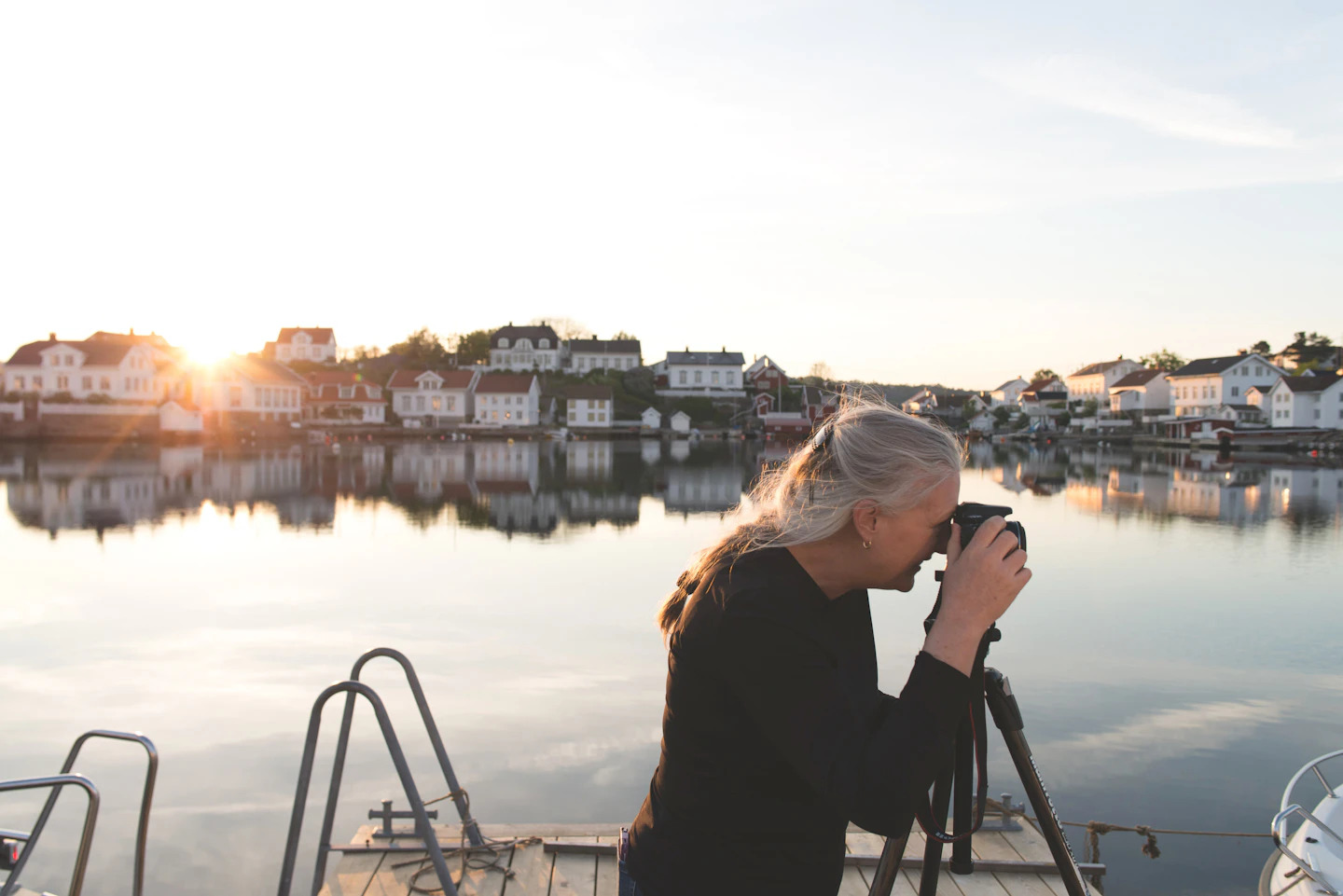
5 Benefits of Slow Travel

The real benefits of slow travel, better trips, better budgets, better memories

Slow travel isn’t just “nice in theory.” It changes what your trip costs, how it feels, and what you remember when you’re home.

Think of it like cooking. A quick microwave meal fills you up, but you don’t talk about it later. A slow meal has texture, smell, stories, and leftovers you’re glad to have.

Here’s what changes when you stay longer.

You spend less on transit and more on the trip itself

Every move costs money and energy: trains, taxis, rental cars, baggage fees, parking, one-night hotel rates, and the “we’re too tired to find a good place, let’s just order delivery” dinners.

With slow travel, you usually have:

  • Fewer flights or long drives
  • Fewer paid transfer days
  • Fewer one-night stays (often the least flexible, highest hassle nights)
  • More chances to cook simple meals and pack snacks

You don’t have to turn into a budget traveler to feel the difference. Even cooking breakfast at “home” for a week can reduce the daily spend that sneaks up in tourist zones.

If you also care about travel footprint, slower itineraries can reduce emissions by cutting down on frequent transport legs. CarbonClick breaks down how fewer flights and more efficient routing can lower climate impact.

You get the experiences that rushed travel misses

Some experiences only show up when you stop sprinting.

In a longer stay, you learn the shortcuts. You stop checking maps every five minutes. You start noticing small things: when the bakery sells out, which park bench catches the sunset, which museum is quiet on weekday afternoons.

A simple planning tip that works almost anywhere:

Plan one main thing per day, then leave space.

That space is where the best parts hide: a neighborhood festival you didn’t know existed, a shop owner who tells you what to order, a beach that locals use because it’s not tagged in every guide.

Slow travel turns “seeing places” into “knowing places.”

Slow Travel and Why You Should Consider It​

Why condo-style resorts make slow travel easier and more comfortable

Slow travel is a mindset, but lodging can either support it or fight it.

A standard hotel room works for a night or two. For a week or a month, the same setup can feel tight and expensive. Longer stays need a different kind of comfort, not luxury, just the basics that make life easier.

Condo-style resorts fit slow travel because they’re designed for living, not just sleeping.

The longer you stay, the more comfort matters, kitchens, laundry, and space

When your trip is longer, the little things matter more than the lobby.

Condo-style stays often include what slow travelers end up craving:

A kitchen: Make breakfast, pack lunches, keep drinks cold, eat in when you want a quiet night.
Laundry: Re-wear favorites, travel with fewer bags, reset mid-trip without hunting for a laundromat.
Separate space: A living area for downtime, separate bedrooms for families, room to work if you’re remote.
Routine-friendly living: Grocery runs, morning coffee “at home,” and a place to spread out.

This helps almost every type of traveler: families who need snacks on hand, couples who want calm evenings, remote workers mixing work and vacation, and multigenerational groups who need personal space.

It also matches what’s happening in stay patterns. Recent 2026 travel reporting shows short-term rentals average longer stays than hotels (about 6.2 nights vs. 5.5), and many guests blend work and vacation. That’s slow travel in practice, even when people don’t call it that.

How Plymouth Rock Travel supports extended stays, 40 to 60% off retail

Slow travel can get expensive if you pay peak nightly hotel rates, especially if your trip runs two weeks or more. That’s where pricing structure matters as much as destination choice.

Plymouth Rock Travel supports extended stays with condo-style resort pricing at 40 to 60% off retail, which can make longer trips realistic without treating every night like a splurge. It also pairs well with the practical savings slow travelers tend to value, like reducing the daily costs that come with traditional hotels (for example, eating out for every meal because you don’t have a kitchen).

If you’re comparing travel models, this overview of how travel memberships offer choice and lower risk than traditional timeshares can help you understand why more travelers want flexibility for longer stays.

And if you’ve ever looked at ownership-style vacation costs and wondered why they feel unpredictable, it’s worth seeing how annual fees can add up over time, as outlined in this breakdown of 2025 timeshare maintenance fees.

The bottom line is straightforward: if you want to travel slower, it helps to stay somewhere built for living.

Conclusion

Slow travel isn’t a trend because it solves real problems: stress, crowds, and the cost of constant movement. It also creates better days, the kind where you remember the smell of the market and the feel of the street at night, not just the inside of a taxi.

On your next trip, try one small change: pick one destination, stay longer, and plan less. If you want that slower pace to feel comfortable and affordable, consider a condo-style resort setup that supports real-life routines, especially when extended-stay pricing can stretch your budget without shrinking your experience.

Travel Insights & Inspiration

Expert advice, destination guides, and travel tips to help you plan unforgettable journeys.

National Parks in Spring: Where to Go Before Summer Crowds Hit Spring in the national parks feels like you showed up early to a concert and got the best spot. From March through May, you'll often get cooler temperatures, stronger waterfalls fed by snowmelt, and the first big push of wildflowers, all before summer traffic and full parking lots become the norm. That said, spring can change fast. Higher trails can still hold snow, forest parks can swing from sun to downpour, and deserts can feel mild at breakfast but hot by mid-afternoon. A little flexibility matters. This guide shares six U.S. national parks that shine in spring, what to do in each, and how to plan around crowds. You'll also find guided tour ideas (helpful for permits and confidence on busy trails) and a practical packing list. One money tip up front: book nearby hotels early, because spring weekends fill quickly. If you like the idea of discounted stays near popular parks, Plymouth Rock Travel Partners (PRTP) is a membership option that can help you find lower rates without turning the trip into a complicated project. 6 national parks that look their best in spring (before peak season) Spring is when these parks feel awake but not overwhelmed. Aim for weekdays when you can, and plan your biggest hike early in the day. Zion National Park, Utah: spring waterfalls, canyon views, and cooler hiking days Best spring window: March to May (often feels like 50 to 70°F in the canyon, warmer by late May). Zion's hanging gardens and seeps tend to look their best in early spring, especially after winter moisture and early snowmelt. You'll also hike more comfortably before summer heat bakes the slickrock. For can't-miss stops, keep it simple: Riverside Walk is an easy, scenic stroll beside the Virgin River, and the Emerald Pools trails are a classic for spring greenery and seasonal water. If you're chasing bigger views, hike up to Canyon Overlook for a short, steep payoff. Crowd tip: Zion's canyon shuttle season typically starts in early March, so park once, ride the shuttle, and start before mid-morning. If Angels Landing is on your list, remember the permit requirement for hiking past Scout Lookout. If you're choosing between spring park options, this roundup of best national parks to visit in May is a helpful cross-check for weather and timing. Great Smoky Mountains, TN/NC: wildflower season plus classic waterfall hikes Best spring window: April to May, with wildflowers often strongest mid-April to mid-May. The Smokies do spring in layers, from early blooms in low valleys to later color at higher elevations. Waterfalls stay lively thanks to rain and lingering mountain snowmelt, although storms can raise stream levels quickly. For easy to moderate hikes, start with Laurel Falls (one of the most popular, and for good reason). For a more rugged feel, Abrams Falls brings a stronger, wilder sound and a satisfying finish. If you want wildlife and open views without a long hike, drive the Cades Cove Loop and pull off for short walks. Crowd tip: May can still feel calmer than summer, especially before Memorial Day. Go early or mid-week in Cades Cove, because traffic jams are common once the day gets rolling. Cuyahoga Valley, Ohio: a quieter spring trip with big waterfalls and easy trails Best spring window: Late April to May. Cuyahoga Valley is an easy win for spring, especially if you want waterfalls and green trails without the pressure of a "big trip" vibe. In wetter springs, the park's falls can run strong, and the valley starts popping with early wildflowers. Don't miss Brandywine Falls, where a boardwalk and viewpoints make it accessible for most visitors. Pair it with Blue Hen Falls for a short hike that feels tucked away. For a low-effort, high-reward day, use the Towpath Trail for biking or a relaxed out-and-back walk. Crowd tip: visit waterfall areas on weekday mornings, then shift to Towpath Trail in the afternoon. It spreads people out, and parking is usually easier. If anyone in your group prefers overlooks and short walks over longer hikes, this list of national parks for non-hikers can help you set expectations and pick stops everyone enjoys. Redwood National and State Parks, California: misty trails, fresh green forests, and Fern Canyon flow Best spring window: April to May, with mild days around 50 to 65°F and frequent rain. Redwood country looks freshly washed in spring. The air smells like damp earth and bay leaves, and creeks stay lively from winter storms. You'll trade desert dust for mossy trunks and soft fog. Start with Fern Canyon, especially when seasonal flow is up and the walls drip with greenery. Add a drive on Howland Hill Road for classic redwood scenery (check conditions first, because it can be rough and muddy). For an easier forest walk, pick a short loop in the Lady Bird Johnson Grove area. Crowd tip: aim for a mid-week afternoon in Fern Canyon when day-trippers thin out. Also, watch your footing, because spring mud and slick boards can turn a simple walk into a slip hazard. Death Valley, CA/NV: March desert blooms before the heat turns serious Best spring window: March (often 60 to 80°F), before April and May heat ramps up. Death Valley in spring can feel like a different planet, especially in the soft morning light. Wildflowers depend on winter rain and can be spotty in drier years, so check park updates before you drive in expecting fields of color. For a reliable spring highlight, Darwin Falls (outside the main valley) is a greener contrast to the usual palette. Inside the park, Badwater Basin is an easy stop for salt-flat views and quick photos. If you want a classic viewpoint without a long hike, time Zabriskie Point for early or late light. Crowd tip: avoid midday hiking, even in spring. Start early, carry extra water, and plan your longer walks for cooler hours, because temperatures can swing fast. Joshua Tree, California: boulders, desert flowers, and comfortable daytime temps Best spring window: March to April, with peak blooms often late March to mid-April (typical days around 60 to 75°F, warmer later). Joshua Tree's spring magic is the mix of mild air, clean light, and small surprises, like fresh blooms tucked into sandy washes. Even a short visit can feel full, because many highlights sit close to the road. For quick, satisfying stops, hit Keys View for a broad panorama and Skull Rock for an easy walk with big payoff. After rains, Barker Dam can hold seasonal water, which changes the feel of the entire loop and draws birds in. Crowd tip: weekends can be busy even in spring. Go for sunrise or sunset, then take a long lunch break when parking lots clog up. Simple spring trip planning that helps you beat the crowds Spring trips work best when you plan like you're packing for two seasons, because you are. First, pick shoulder weekdays if your schedule allows it. Tuesday through Thursday often feels calmer, even in popular parks. Next, start early. A 7:00 a.m. trailhead arrival can feel like a cheat code, because you get cooler temps and easier parking. Keep your itinerary realistic. Choose one anchor hike per day, then add one flexible backup that's shorter or lower elevation. That way, if snowmelt makes a trail muddy or rain rolls in, you still have a great plan. If you're fitting a park into a long weekend, this guide to 4-day national park getaways can help you think in simple, doable blocks of time. Also, watch for permits and timed systems. A quick checklist helps: Permits: for example, Angels Landing in Zion requires a permit to go past Scout Lookout. Shuttles: some parks shift to shuttle-only access in peak areas in spring. Road status: spring storms or repairs can close scenic drives. Spring isn't "bad weather," it's fast weather. Build in one flexible afternoon, and your whole trip feels easier. Finally, lock lodging early, especially near gateway towns. Staying outside park gates often saves money and driving stress. PRTP can also help you book nearby accommodations at wholesale rates, often 40 to 60% off retail, with free sign up and no hidden fees. If you've ever compared travel clubs to old-school vacation ownership, this overview of travel memberships vs timeshares explains the differences in plain English. Guided tours and outdoor excursions that make spring visits easier Guided trips aren't only for beginners. In spring, a good guide can save you from wrong turns, wet-foot surprises, and permit confusion. You also get context, like how snowmelt shapes canyon ecosystems or where wildflowers tend to pop first after a rain. Zion is a great place to consider a guided day hike, because the park mixes crowds, exposure, and shuttle logistics. Wildland Trekking offers guided day hikes, and some local operators (including All Ways Adventure, with guided hikes starting around $299+) focus on small-group experiences. If you prefer a marketplace where you can compare dates, durations, and reviews in one place, browse Zion hiking tours on Viator and filter by fitness level and cancellation terms. In other parks, look for tours that match the season: In the Smokies, ranger-led programs and naturalist walks are great for spring wildflowers. Near Cuyahoga Valley, bike rentals and shuttle options can make the Towpath Trail easier. In Redwood country, small-group hikes help with trail conditions and timing tides and rain. Questions to ask before you book: Group size: smaller groups usually move faster and feel less crowded. Gear provided: ask about trekking poles, traction, or rain gear if conditions look wet. Cancellation policy: spring forecasts change quickly. Fitness fit: confirm elevation gain, surface type, and any water crossings. What to pack for spring national park trips (waterfalls, wildflowers, changing weather) Spring packing is about layers and keeping your feet happy. You don't need fancy gear, but you do need gear that works when trails turn wet or temperatures jump. Clothing (layers that adapt) Light base layer (synthetic or wool), plus a mid-layer fleece Waterproof rain jacket and rain pants Wool or synthetic hiking socks (pack an extra pair) Hat and light gloves for cool mornings Gear (comfort and traction) 20 to 30L daypack with a rain cover or liner Waterproof hiking boots or trail shoes with grip Trekking poles for slick paths and creek edges Headlamp (because sunsets and trail delays happen) Power bank and charging cable Safety and skin protection Sunscreen and lip balm (yes, even in spring) Bug repellent (picaridin works well) Simple first-aid kit and blister care Plenty of water, plus electrolytes for desert parks Affiliate-ready suggestions: search Amazon for Columbia Pouring Adventure II (rain jacket), Outdoor Ventures rain pants, Merrell Moab hiking shoes, Sawyer Picaridin insect repellent, Black Diamond trekking poles, Darn Tough socks, and Adventure Medical Kits first-aid kits. Two quick park-specific callouts: for Death Valley and Joshua Tree, bring more water capacity than you think you'll need and plan for strong sun. For Redwood and waterfall trails, prioritize rain protection and grippy soles. Test your gear at home, then pack out every scrap of trash you bring in. Conclusion Spring is the sweet spot for national parks in spring travel. Waterfalls run stronger, wildflowers show off, and temperatures stay friendlier than midsummer. Better yet, you can still find quiet trails if you go before peak season and aim for weekdays with early starts. Pick your park based on the experience you want: Zion for canyon views, the Smokies for wildflowers, Cuyahoga for easy waterfalls, Redwood for misty forests, or the California deserts for blooms and big skies. If you want more confidence on busy or exposed trails, a guided hike can be money well spent. Book lodging early, too, because spring weekends disappear quickly. PRTP is one simple way to find discounted nearby accommodations at wholesale rates (often 40 to 60% off retail), with free sign up and no hidden fees.

Adventure & Outdoor Travel, Best for Adventure Seekers, Best for Nature Enthusiasts, Travel Tips & Planning

24 Mar 2026

National Parks in Spring: Where to Go Before Summer Crowds Hit

Families watching the Bellagio fountain show in front of the Bellagio Hotel in Las Vegas

Best for Families, Las Vegas

23 Mar 2026

Las Vegas for Families: Yes, It’s Actually a Thing

Universal Orlando globe and lagoon with sightseeing boats on a sunny day in Orlando

Budget Travel, Orlando, FL

19 Mar 2026

How Much Does a Trip to Orlando Really Cost? (Full Budget Breakdown)

Winter travel essentials for staying warm and comfortable while traveling in cold weather

How-To Guides

23 Jan 2026

How to Stay Comfortable While Traveling in Cold Weather

Winter travel skincare essentials including hydrating masks, TSA-size moisturizers, sunscreen, and beauty products for flying

How-To Guides, Travel Essentials

5 Feb 2026

How to Keep Your Skin Happy While Traveling This Winter

Collage of affordable travel stocking stuffers under $25 including sleep mask, toiletry bag, earplugs, cup holder, lipstick mask, travel tumbler, portable speaker, and phone grip.

Seasonal & Holiday Travel

16 Dec 2025

Best Stocking Stuffers for Travelers Under $25

Travel Insights & Inspiration

Expert advice, destination guides, and travel tips to help you plan unforgettable journeys.

New Customers: Book Your First Vacation With Us & GET 50% OFF!