

A long flight can feel like eight to fourteen hours of small annoyances that stack up fast: a stiff back, dry eyes, loud cabin noise, and that half-sleep that leaves you more tired than before. The good news is traveling comfortably on long flights isn’t luck. It’s a few smart moves that add up.
Comfort also isn’t just what happens in your seat. It’s what you do before boarding, during the flight, and right after you land.
One more thing that really matters: recovery is easier when you’ve booked a roomy, quiet place to land. If you want help finding hotel and resort stays at 40 to 60% off retail, Plymouth Rock Travel Partners can match you with discounted options so you can bounce back faster.
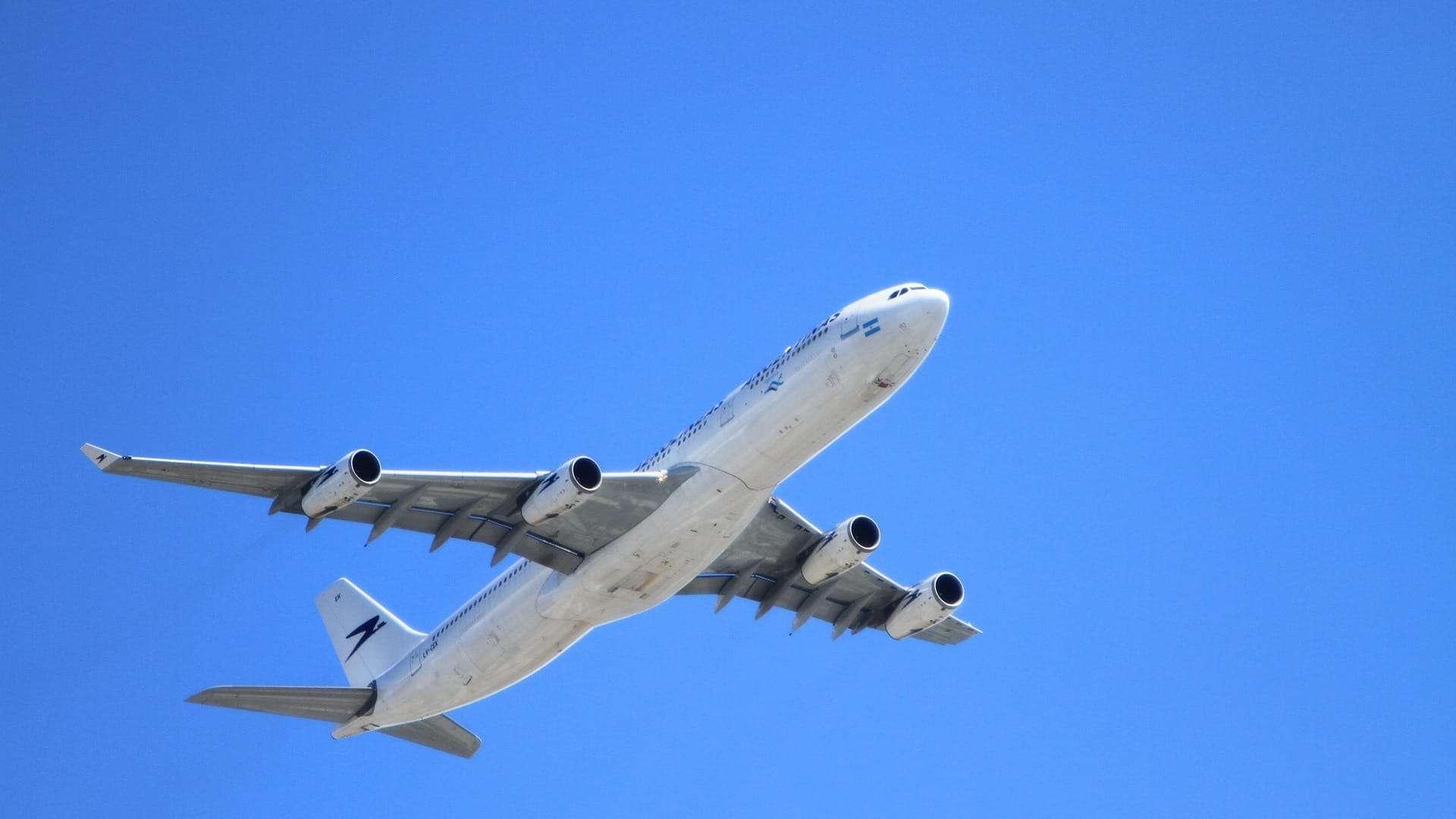
Before You Fly: Set Yourself Up for a More Comfortable Long Flight
Long-haul comfort starts with choices you make while you still have space, water, and options. Think of it like packing a lunch before a road trip, you’re less at the mercy of whatever shows up later.
Pick the best seat for your body and your plan (sleep vs bathroom breaks)
Seat choice is a comfort multiplier. You can’t control everything, but you can avoid the worst setups.
Window seat works best if you want sleep. You get a wall to lean on, more control over your “bubble,” and you won’t be asked to stand up for someone else’s bathroom run.
Aisle seat is better if you hate feeling trapped or you know you’ll need frequent stretching and bathroom breaks.
A middle seat can be worth it in one case: traveling with a partner. If you book window + middle (or middle + aisle), you can share space and reduce the odds a stranger takes the third seat. It’s not guaranteed, but it can make the row feel more livable.
When you can, avoid high-traffic zones near bathrooms and galleys, where foot traffic and light can chip away at rest. For more seat selection ideas, see Condé Nast Traveller’s guide to best economy seats for long-haul flights.
Dress in layers and choose the right shoes for swelling and temperature swings
Cabin temps change like a thermostat with a mood. Dress for quick adjustments, not style points.
A simple long-flight outfit formula:
- Soft, flexible pants (no tight waistband)
- A breathable T-shirt or long-sleeve base layer
- A warm layer you can add or remove easily (hoodie, cardigan, light jacket)
Shoes matter more than most people think. Feet can swell at altitude, so pick easy-on shoes with a little room, then wear warm socks to avoid frozen toes. Skip anything tight at the ankle or calf if you tend to puff up.

Pack a Comfort Kit That Actually Gets Used on a Long-Haul Flight
The best comfort kit is small enough to stay under the seat, so you’re not digging in the overhead bin every time you want one thing. Use a pouch you can pull out in seconds.
Sleep and noise essentials: smarter neck support, eye cover, and noise control
That classic U-shaped neck pillow is hit or miss. If your head falls forward, look for a pillow that supports the chin or wraps more securely so your head doesn’t bob like a buoy.
Two small upgrades that help a lot:
- A compact lumbar cushion, or even a small rolled scarf, behind your lower back
- An eye mask that blocks light without pressing hard on your eyelids
Noise is the silent sleep killer. Engine hum, announcements, and seatmates add up. Noise-canceling headphones help, and simple foam earplugs can still be a lifesaver.
A practical trick: set your phone to destination time as soon as you board. It nudges your brain to eat and sleep on the schedule you’re about to live.
If you want a current checklist from flight crew picks, Travel + Leisure shares flight attendant-approved travel essentials for 2026.
Dry-air and hygiene basics: water plan, moisturizer, and simple clean-up items
Cabin air is dry, and you feel it in your lips, hands, and nose first. A simple routine works better than hauling a mini pharmacy.
Keep these within reach:
- Water bottle (fill after security, sip often)
- Lip balm and a light moisturizer
- Hand wipes or a small pack of tissues
- Toothbrush or gum for a “reset” after sleep
Bring one or two snacks you actually like. When you’re hungry and the timing is off, it’s easy to feel stuck. A protein bar, nuts, or crackers can take the edge off without needing a full meal.

On the Plane: Easy Moves to Stay Comfortable, Calm, and Less Stiff
Once you’re onboard, comfort is mostly about setup and small maintenance habits. Think of it like keeping a campfire going, you don’t wait until it dies to add a log.
Set up your seat space for comfort: posture, lumbar support, and foot room
Do a quick seat setup in the first few minutes:
- Sit back so your hips are against the seat back
- Add lower-back support (small pillow, scarf, or folded layer)
- Adjust the headrest if it moves, aim for gentle support, not a forced position
- Put your under-seat bag where it doesn’t steal your foot space
Avoid sitting on bulky items like a wallet or a thick phone. It can tilt your hips and irritate your back for hours.
For the air vent, aim airflow toward your upper chest and face area for comfort, but avoid blasting your eyes directly. If you’re cautious about shared surfaces, use a tissue to adjust the nozzle.
Move and hydrate to feel better when you land
You don’t need a workout. You just need motion often enough to keep your body from “locking up.”
A simple rhythm that works for most long flights:
- Sip water regularly, not all at once
- Limit alcohol and go easy on caffeine, both can worsen dry-mouth and poor sleep
- Every hour or so: ankle circles, calf flexes, gentle neck rolls
- When it’s safe: stand and walk the aisle for a minute
If you want a clear, practical guide to staying hydrated while traveling, AAA breaks it down in How to Prevent Dehydration While Traveling.

After Landing: Recover Faster with a Good Sleep Plan and a Comfortable Stay
Landing is when the bill comes due. If you handle the first day well, you can turn a rough flight into a decent arrival.
Beat jet lag with light, timing, and short naps (not long ones)
Jet lag is basically your body running the wrong “clock.” Light and timing help reset it.
A solid arrival routine:
- Get daylight soon after you land (even a short walk helps)
- Eat a normal meal at local time, even if it’s small
- If you nap, keep it short (think 20 to 30 minutes)
- Aim for local bedtime, even if it’s an early night
For health-focused guidance, the CDC overview on Jet Lag is a helpful reference.
Red-eye arrival tip: treat the first afternoon like a bridge, not a crash landing. Stay up until evening, then sleep. Daytime arrival tip: don’t “pre-sleep” too hard at the hotel, hold off and align with the new night.
Make your first night easier by booking a roomy, restful place to stay
A good room can do what an airplane seat can’t: quiet, space to stretch, a real shower, and a bed that doesn’t fight you.
Look for:
- Quiet rooms (away from elevators if possible)
- Enough space to unpack without living out of a suitcase
- Comfort extras that help recovery, like a pool, hot tub, or gym
If you want help lining up that kind of stay for less, Plymouth Rock Travel can handle stays and lodging, often at 40 to 60% off retail. If you’re curious how travel clubs can pencil out, see Is a Travel Membership Worth the Cost?.
Conclusion
Long-flight comfort comes down to a simple formula: plan your seat and outfit, pack a small comfort kit, move and hydrate during the flight, then recover smart after landing. Do that, and you’ll step off the plane feeling more like yourself.
Use these tips on your next long-haul trip, and consider booking a comfortable resort or hotel stay ahead of time so you can reset faster and actually enjoy day one.


